
Structured Cabling Services in Seattle
Structured cabling in Seattle - Downtown, SoLu, Eastside. Project-specific credential verification, SDCI-aware permit handling, and outside-plant crews with actual PNW weather experience.
One partner. One standard. Every location.

- Founded
- 1996
- Companywide programs
- 900+
- Companywide sites
- 10,000+
- Operating offices
- 6
Plan your Seattle project
Decide what Seattle cable can stay before pricing its replacement
For an office move or refresh, begin with an inventory of the existing links and the records available for them. A Seattle tenant may have labeled outlets without reliable route information, while a retained backbone can sit outside its lease boundary. Give the design and acceptance owners a retain, investigate or replace decision for each part of the proposed scope.
Separate known plant from assumptions
Record the outlet and panel references you can actually identify. Note missing category information, unknown routes and absent result files as open items. Ask the owner what investigation or measurement would support reuse; neither an illuminated switch port nor a new faceplate proves the retained cable meets the next project's requirement.
Release the room and the work window
At a Downtown or Eastside tenant property, establish who controls the serving room and which rack, power or cooling prerequisites another party must finish. Agree when existing connections may be disturbed and who restores customer service. Plan the physical sequence to limit downtime without treating a building-access booking as permission to change live systems.
Keep exterior segments visible in the estimate
Show a separately scoped exterior span or building entry on the route plan, with the product and support requirements approved by the responsible designer. Name the owner of any civil work and authority release. Weather contingencies and work-area availability belong in the sequence for that route, rather than a blanket allowance applied to every Seattle cable job.
Record the known links, missing evidence and person authorized to decide what can remain. Download the Seattle retained-plant decision register.
Separate horizontal plant, backbone and room work before comparing new and retained scope. Review the commercial cable installation package.
Confirm the tenant, landlord and operating responsibilities for shared rooms and approved access. Plan installation at a managed property.
Give bidders the same retained-link decisions, pathway information and test requirements. Prepare the cabling RFP inputs.
Identify receiving, software owners and change windows alongside the physical installation schedule. Assign the wider deployment responsibilities.
Agree the labels, measurements and exception handling that support your handover decision. Define the installed-plant acceptance record.
Compare qualification records and exclusions without assuming every survey or warranty offer is equivalent. Review cabling vendor scope and evidence.
SRS Networks has delivered 900+ multi-site programs across 10,000+ locations company-wide. Use a documented scope to connect your local installation to the wider rollout.
Structured cabling acceptance and certification checklistBring these details to the scope review
- Outlet quantities, closet locations and approved pathways
- Occupied-area access, restoration and installation windows
- Labeling convention, test basis and acceptance owner
SRS Networks installs structured cabling for Seattle-area commercial properties under approved drawings, including tenant copper links and separately scoped fiber backbones. Begin with an inventory of existing plant and decide what to retain, test or replace. The installation package records access releases, labels and contracted measurements; the customer or appointed specialist owns design, software changes and active-network acceptance.
Choose the work package for your Seattle property
Keep the bid tied to the work being installed. These related service pages explain where a different package applies.
Use the outlet schedule when the work is defined by individual endpoints and panel assignments.
Use the strand and termination package for optical routes and agreed loss measurements.
Structured Cabling Acceptance and Certification Checklist
Define the pathway inspection, link model, test basis, labeling reconciliation, result audit, closeout package, and signoff required before accepting the installed plant. Apply the project-specific requirements for Seattle and the controlling authority, design, contract, and manufacturer instructions.
Structured Cabling scope and acceptance in Seattle
Define the installed cable plant before comparing bids: horizontal links, backbone routes, telecommunications rooms and the records needed to accept them.
Survey pathways and rooms
Record outlet locations, rack space, available pathways, access windows and existing plant to retain. Identify routing decisions that need landlord or design-team approval before mobilization.
Install to the approved cable schedule
Coordinate copper and fiber runs with the drawings, termination locations and labeling scheme. Track field changes against the same identifiers used in the port and cable schedules.
Reconcile certification and closeout
Agree on the link model and test limits before installation. Match results to installed labels, resolve failed links and deliver the required certification files, as-builts and exception list.
Specify switches, wireless access points and carrier circuits separately when the project requires them. Cabling acceptance establishes the installed plant; it does not by itself validate those active systems.
Seattle enterprise network deployment planning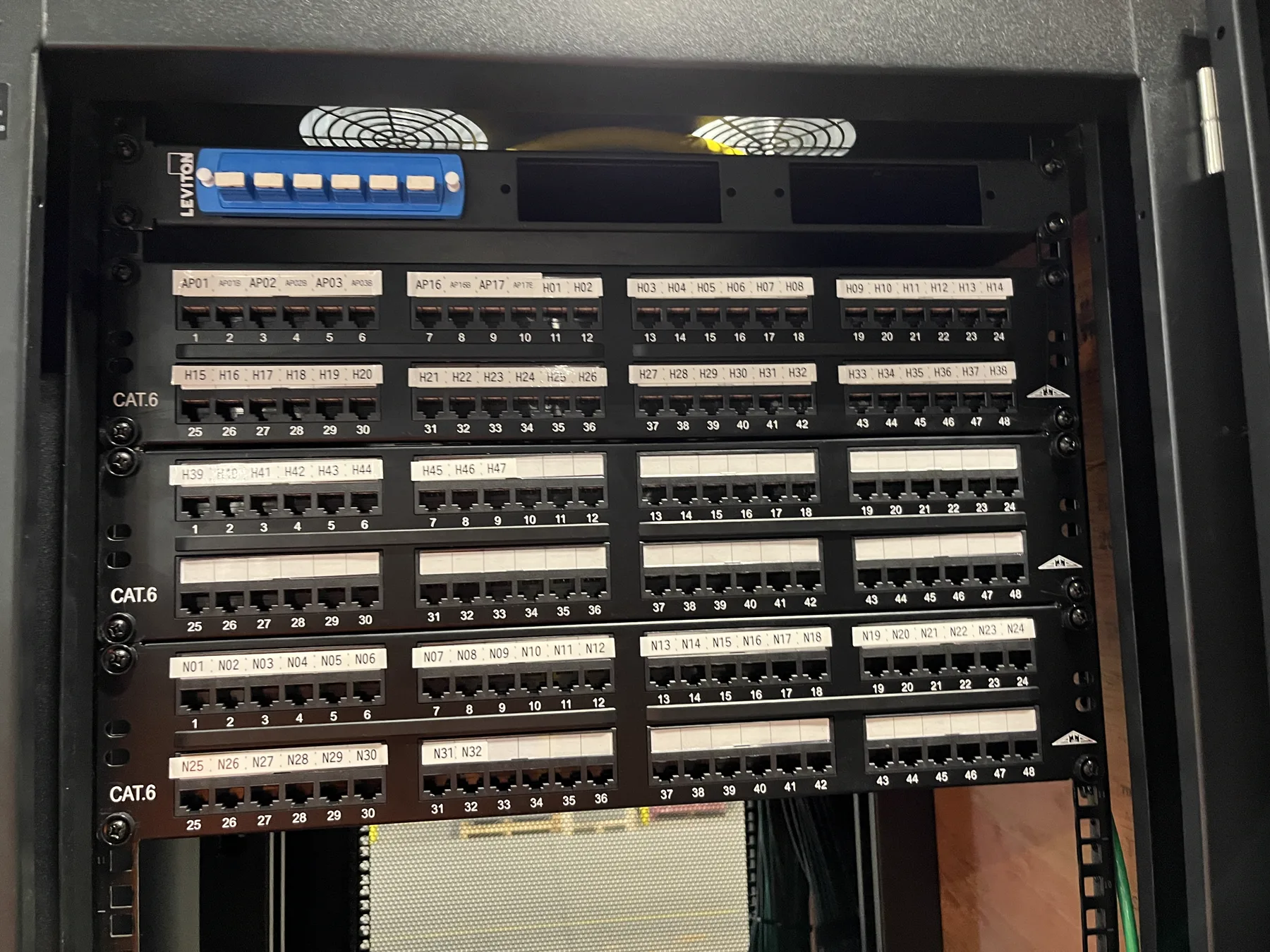
Serving All of Seattle
SRS Networks deploys enterprise network infrastructure across the entire Seattle metro and surrounding areas - one partner, one standard.
Industries We Serve
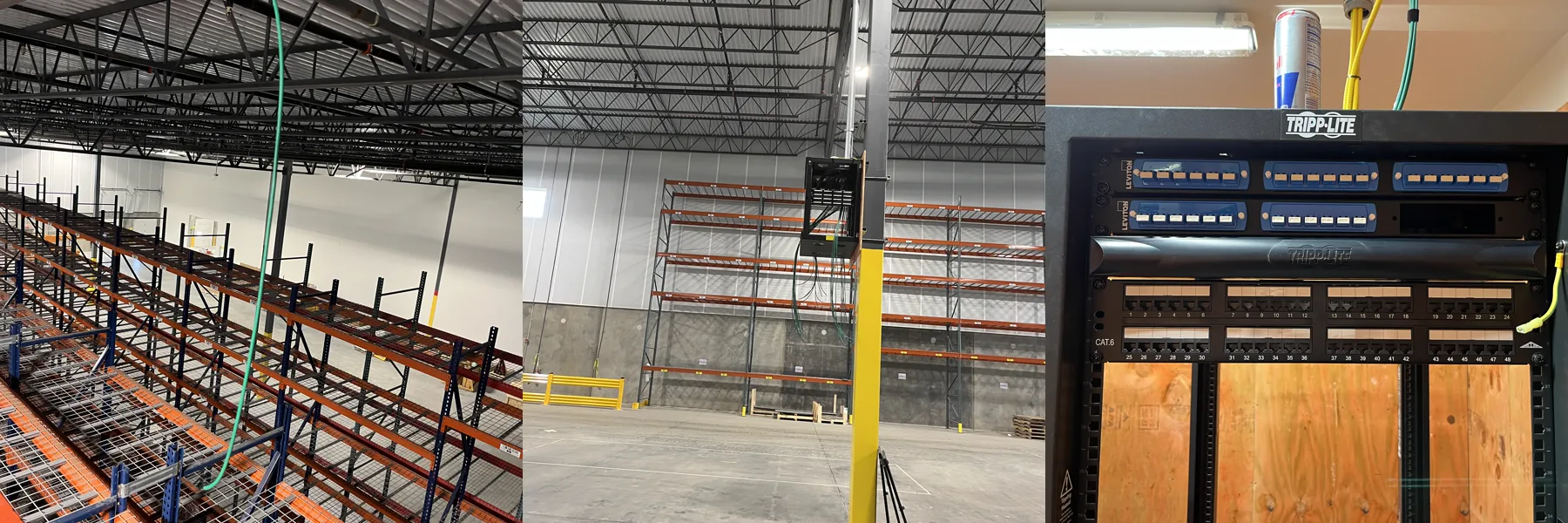
Areas We Serve in Seattle
Explore More from SRS Networks
Plan more services for your Seattle sites
Explore installation, site infrastructure and rollout support. Service details explain the work involved; include your site address, access requirements and schedule when requesting a scope.
Start with structured cabling and WiFi deployment for the installation at your sites. Review commercial WiFi installation for platform requirements and acceptance. For work repeated across locations, use the nationwide technology rollout program to plan the pilot, staging and site handover.
For additional work, review the full national service catalog, including data-center moves, equipment staging and site infrastructure. Confirm the installation package and specialist responsibilities for your property before adding those services to a bid.
Cabling and fiber
- Structured cabling (this service)
- Data cabling
- Low voltage cabling
- Fiber optic installation
Network deployment
Wireless
Security, AV and retail technology
Common Questions About Structured Cabling in Seattle
Schedule a Deployment in Seattle
Whether you need a single-site buildout or a multi-location rollout across Seattle, SRS Networks is your deployment partner.