
Enterprise Network Infrastructure Built for Performance and Scale
Your network is the foundation of your business operations. When it's not designed properly, everything else - from applications to communication - starts to break down.
We focus on building networks that perform today and scale with you tomorrow.
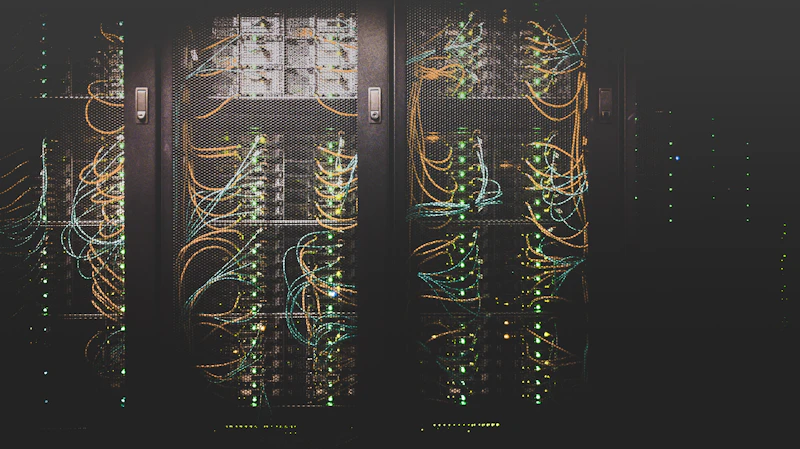
SRS installs customer-specified racks, cabling, switching, routing, security and wireless hardware under the approved design. Your engineering team owns architecture, software configuration and ongoing operation; the field team records agreed installation tests and exceptions.
The Problem with Poor Network Design
Many organizations run into issues because their network wasn't designed for growth. These problems often come from pieced-together infrastructure instead of a planned design.
Bottlenecks and Slow Performance
Applications lag, file transfers crawl, and VoIP drops out. The network wasn't designed for the workloads it's carrying today.
Inconsistent Connectivity
Some areas of the building work fine, others barely function. Performance depends on which switch port you're plugged into.
Security Vulnerabilities
Flat networks with no segmentation, outdated firmware, and open ports. One compromised device and everything is exposed.
Difficulty Scaling Across Locations
Adding a new site means starting from scratch because there's no repeatable standard to follow - every buildout is unique.
Limited Visibility Into Network Health
No monitoring, no alerting, no baseline data. The first sign of trouble is always a user complaint.
Networks Built from the Ground Up the Right Way.
SRS Networks installs to customer-approved designs for enterprise network infrastructure that is secure, scalable, and built to support growing organizations. Our goal is to give you a network that just works - reliably and consistently.
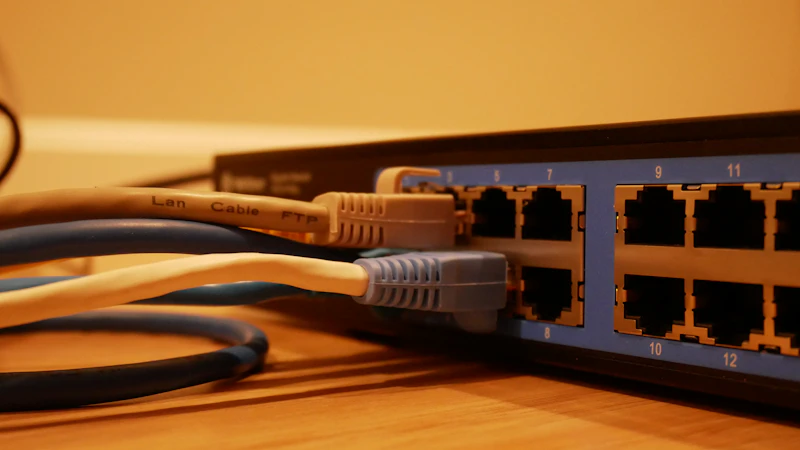
Every Layer of Your Enterprise Network
The categories below separate equipment-room work, cable plant and device installation. Agree quantities, interfaces and required handoff records for each layer so an omitted trade or engineering task is visible before dispatch.
Approved Architecture Deployment
Install the topology approved by your network designer using released equipment, pathway and port schedules. Refer site deviations to that designer before changing the installation.
Core Hardware Installation
Rack, mount, cable and label customer-specified switching, routing and wireless equipment. Your network owner performs software configuration and approves the acceptance checks.
Security Appliance Installation
Install the specified security appliances and physical connections under the approved design. Your security team owns access policies, software configuration and monitoring.
Installation Acceptance Checks
Record agreed cable and physical-link checks, device locations and open exceptions. Your engineering team owns traffic tuning, capacity decisions and failover acceptance.
Poor Network Design vs. SRS Networks
Compare approved installation drawings, labeled physical connections, field-test records and documented site exceptions.
Built for Your Environment
SRS Networks installs enterprise network infrastructure to an approved design for organizations of all sizes and industries - from single offices to nationwide footprints.
Corporate Offices
Reliable networks supporting daily operations, cloud applications, and unified communications for hundreds of users.
Multi-Site Environments
Customer-approved physical infrastructure installed across locations with consistent cable, rack, device and test records.
Manufacturing & Industrial
Stable connectivity for operational systems, monitoring equipment, and production floor applications.
Professional Services
Secure environments for sensitive data, client communications, and compliance-driven workflows.
We Don't Just Install Equipment - We Build Systems.
SRS Networks installs enterprise network infrastructure to an approved design that supports your business long-term - not just for the day it's installed.
Explore More from SRS Networks
Enterprise Network Infrastructure Questions
What IT, facilities, and channel teams ask before standardizing a multi-site network deployment.
- What is included in an enterprise network infrastructure deployment?
- The physical scope can include cabling, fiber, racks, IDFs and installation of customer-specified switching, routing, security and wireless hardware. SRS coordinates field work and agreed installation tests under one project lead. The customer or specialist partner owns architecture, VLANs, software configuration and operational acceptance.
- Who deploys enterprise networks across multiple locations nationwide?
- SRS Networks deploys enterprise network infrastructure across the 48 contiguous states, Alaska, and Hawaii. The company has completed 900+ multi-site programs across 10,000+ locations since 1996, using one architecture, one documentation standard, and centralized project visibility for every site on the rollout.
- Can one network architecture be standardized across every site?
- Yes. The reference design defines approved hardware, VLANs, addressing, security policy, wireless standards, labeling, testing, and closeout requirements before the first crew mobilizes. Site surveys identify legitimate exceptions, but those exceptions are documented instead of allowing each local installer to create a different network.
- Which network vendors and platforms can SRS Networks deploy?
- SRS Networks works with enterprise switching, firewall, wireless, and management platforms selected by the customer or channel partner, including common Cisco, Meraki, Fortinet, Palo Alto, Aruba, and comparable environments. The deployment scope is built around the approved bill of materials and configuration standard rather than forcing a proprietary hardware stack.
- How are remote network deployments tracked?
- Each location is tracked through the Project Command Center with milestones for survey, materials, access, installation, testing, punch work, and closeout. Buyers and channel partners receive one view of the rollout instead of collecting status from separate local contractors, email threads, and spreadsheets.
- Does SRS Networks handle network cutovers and validation?
- Yes. Cutovers are sequenced against the approved maintenance window, dependency list, rollback plan, and acceptance criteria. Technicians validate switching, routing, VLANs, internet connectivity, wireless coverage, and connected devices before the site is released, then attach results and exceptions to the closeout record.
- What documentation is delivered after deployment?
- Closeout normally includes as-built network diagrams, rack elevations, cable and port schedules, device inventory, configuration records as authorized, certification results, photographs, and an exceptions list. The exact package is defined in the scope so every site closes against the same acceptance standard.
- How do we request an enterprise network deployment proposal?
- Send the site list, target schedule, available drawings, hardware standard, device counts, access constraints, and required closeout format to partners@srsnetworks.com. SRS Networks will identify survey needs, deployment sequencing, unit assumptions, and the information required to turn the program into a defensible scope and price.
Enterprise Network Deployment by Market
SRS Networks deploys across the 48 contiguous states, Alaska, and Hawaii. Explore local coverage in our most active metro markets.
- Riverside Enterprise Network Deployment
- Bakersfield Enterprise Network Deployment
- Fresno Enterprise Network Deployment
- Los Angeles Enterprise Network Deployment
- San Francisco Enterprise Network Deployment
- Sacramento Enterprise Network Deployment
- San Diego Enterprise Network Deployment
- San Jose Enterprise Network Deployment
- Dallas Enterprise Network Deployment
- Houston Enterprise Network Deployment
- Austin Enterprise Network Deployment
- San Antonio Enterprise Network Deployment
- New York City Enterprise Network Deployment
- Chicago Enterprise Network Deployment
- Atlanta Enterprise Network Deployment
- Phoenix Enterprise Network Deployment
- Tucson Enterprise Network Deployment
- Seattle Enterprise Network Deployment
- Denver Enterprise Network Deployment
- Miami Enterprise Network Deployment
- Jacksonville Enterprise Network Deployment
- Orlando Enterprise Network Deployment
- Tampa Enterprise Network Deployment
- Washington DC Enterprise Network Deployment
- Boston Enterprise Network Deployment
- Greensboro Enterprise Network Deployment
- Charlotte Enterprise Network Deployment
- Raleigh Enterprise Network Deployment
- Nashville Enterprise Network Deployment
- Memphis Enterprise Network Deployment
- Minneapolis Enterprise Network Deployment
- Las Vegas Enterprise Network Deployment
- Birmingham Enterprise Network Deployment
- Hartford Enterprise Network Deployment
- Boise Enterprise Network Deployment
- Indianapolis Enterprise Network Deployment
- Louisville Enterprise Network Deployment
- New Orleans Enterprise Network Deployment
- Baltimore Enterprise Network Deployment
- Grand Rapids Enterprise Network Deployment
- Detroit Enterprise Network Deployment
- Kansas City Enterprise Network Deployment
- St. Louis Enterprise Network Deployment
- Omaha Enterprise Network Deployment
- Albuquerque Enterprise Network Deployment
- Akron Enterprise Network Deployment
- Cincinnati Enterprise Network Deployment
- Cleveland Enterprise Network Deployment
- Columbus Enterprise Network Deployment
- Tulsa Enterprise Network Deployment
- Oklahoma City Enterprise Network Deployment
- Portland Enterprise Network Deployment
- Allentown Enterprise Network Deployment
- Philadelphia Enterprise Network Deployment
- Pittsburgh Enterprise Network Deployment
- Salt Lake City Enterprise Network Deployment
- Providence Enterprise Network Deployment
- Virginia Beach Enterprise Network Deployment
- Richmond Enterprise Network Deployment
- Milwaukee Enterprise Network Deployment
- Anchorage Enterprise Network Deployment
- Fairbanks Enterprise Network Deployment
- Honolulu Enterprise Network Deployment
- Kahului Enterprise Network Deployment
Build a Network That Supports Your Growth
Send the site list, approved design, equipment schedule and target work windows. Identify the engineering contact for configuration decisions and the team that will accept the physical installation.
Plan the installation around your city and building
Review local access and scope considerations, then use the planning worksheet to prepare quantities, work windows and acceptance requirements.