
Enterprise Network Deployment in Minneapolis
Twin Cities enterprise installation follows address-specific equipment, receiving and access plans. Distinguish protected indoor work from exposed or interbuilding interfaces, with material suitability and operating responsibilities approved by the customer specialists.
One partner. One standard. Every location.

- Founded
- 1996
- Companywide programs
- 900+
- Companywide sites
- 10,000+
- Operating offices
- 6
SRS Networks coordinates approved physical enterprise network installation across Minneapolis-Saint Paul and scoped suburban properties such as Eden Prairie, Bloomington and Minnetonka. Each site needs released equipment, routes and access arrangements. The customer designer approves environmental suitability and architecture; configuration and operating acceptance have their own owners. Agree field records and readiness dependencies for the actual project rather than infer them from headquarters density or local climate.
Choose the work package for your Minneapolis property
Keep the bid tied to the work being installed. These related service pages explain where a different package applies.
Use the cable-plant package for closets, backbone interfaces and horizontal links.
Use the AP package when the wireless specialist has approved locations and settings ownership.
Field Deployment Benchmarks for Multi-Site Programs
Review original SRS field data on receiving failures, pre-staging, dispatch control, COI exposure and the point where national rollout coordination begins to make economic sense. Apply the project-specific requirements for Minneapolis and the controlling authority, design, contract, and manufacturer instructions.
Why Multi-Location Enterprise Network Deployment in Minneapolis Is Difficult
A Twin Cities program may connect a Downtown tenant scope with separate manufacturing, healthcare or office properties. Any proposed skyway route needs permission from the parties controlling its actual segments and endpoints. The designer selects materials and exposure protection; installation records should distinguish approved routes from uninspected or unavailable plant.
Sprawling Multi-Location Footprints
Ask the Twin Cities buyer to identify the receiving reviewer and required record formats. A corporate headquarters may have an engineering team, but its address does not establish one universal documentation or approval standard.
Inconsistent Vendor Quality
Check actual exposure and each selected manufacturer's installation and operating limits. Cable bend control, equipment protection and any generator work follow their approved designs; a Twin Cities temperature label does not set them universally.
Compliance & Security Requirements
A Downtown skyway may be pedestrian-connected while its cable pathways remain unavailable. Identify the actual ownership and route permissions before assuming a building-to-building installation can proceed.
Aggressive Timelines
Healthcare and insurer buyers supply their actual access, document and security requirements. Customer specialists retain segmentation and regulatory acceptance; physical installation alone does not establish HIPAA compliance.
No Centralized Visibility
A suburban and Downtown Twin Cities property can use common field records while retaining different review, staffing and access requirements. Obtain each receiving owner's requirements instead of assigning a sector-wide pace or documentation rule.
One Deployment Partner for All of Minneapolis.
A Twin Cities program can use common equipment identifiers and field records while retaining separate work orders for Minneapolis, Saint Paul or suburban properties. SRS follows released routes and connections. Customer designers specify exposure protection and any interbuilding requirements; a local corridor or employer category does not establish the same condition at every site.
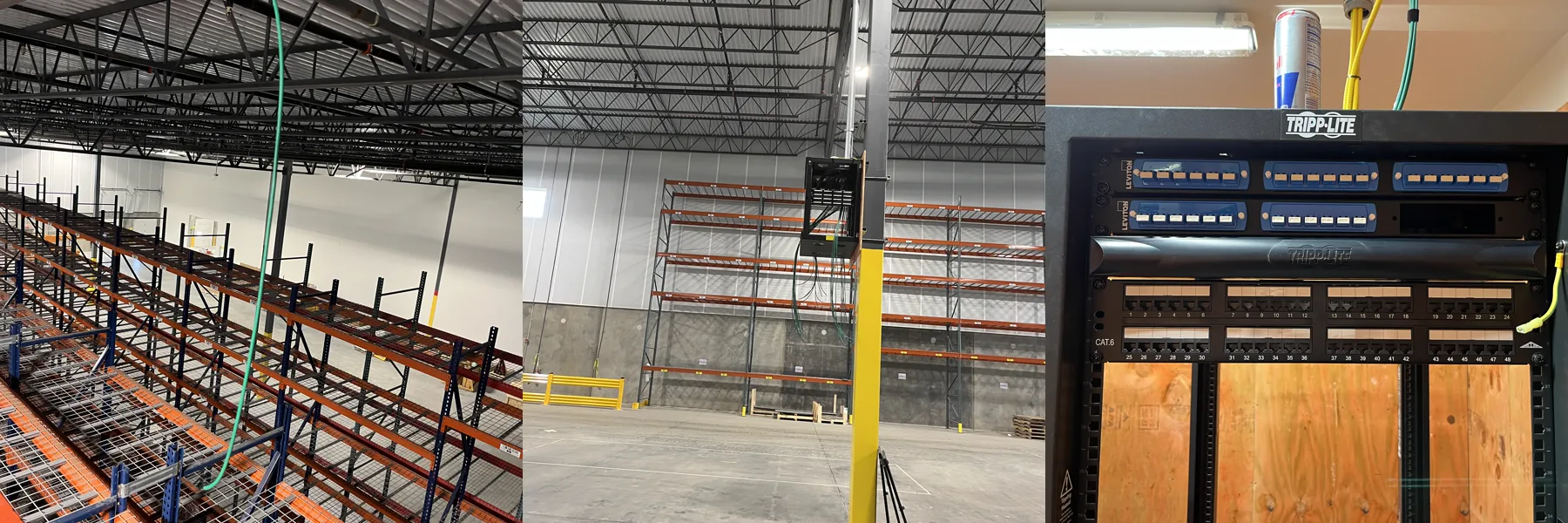
Physical installation scope for Minneapolis
A network program can combine structured cabling, enterprise WiFi, core network infrastructure, and telecom connectivity. The approved scope defines which work is included at each site.
Approved cable plant
Install the released copper or fiber package.
Device mounting
Mount equipment at the approved locations.
Equipment-room work
Execute the approved rack and patching schedule.
Installation acceptance
Deliver the agreed physical handoff.
Compare Deployment Coordination
Compare how site standards, schedules and handover responsibilities will be assigned across your program in Minneapolis.
Serving All of Minneapolis
SRS Networks deploys enterprise network infrastructure across the entire Minneapolis metro and surrounding areas - one partner, one standard.
Industries We Serve
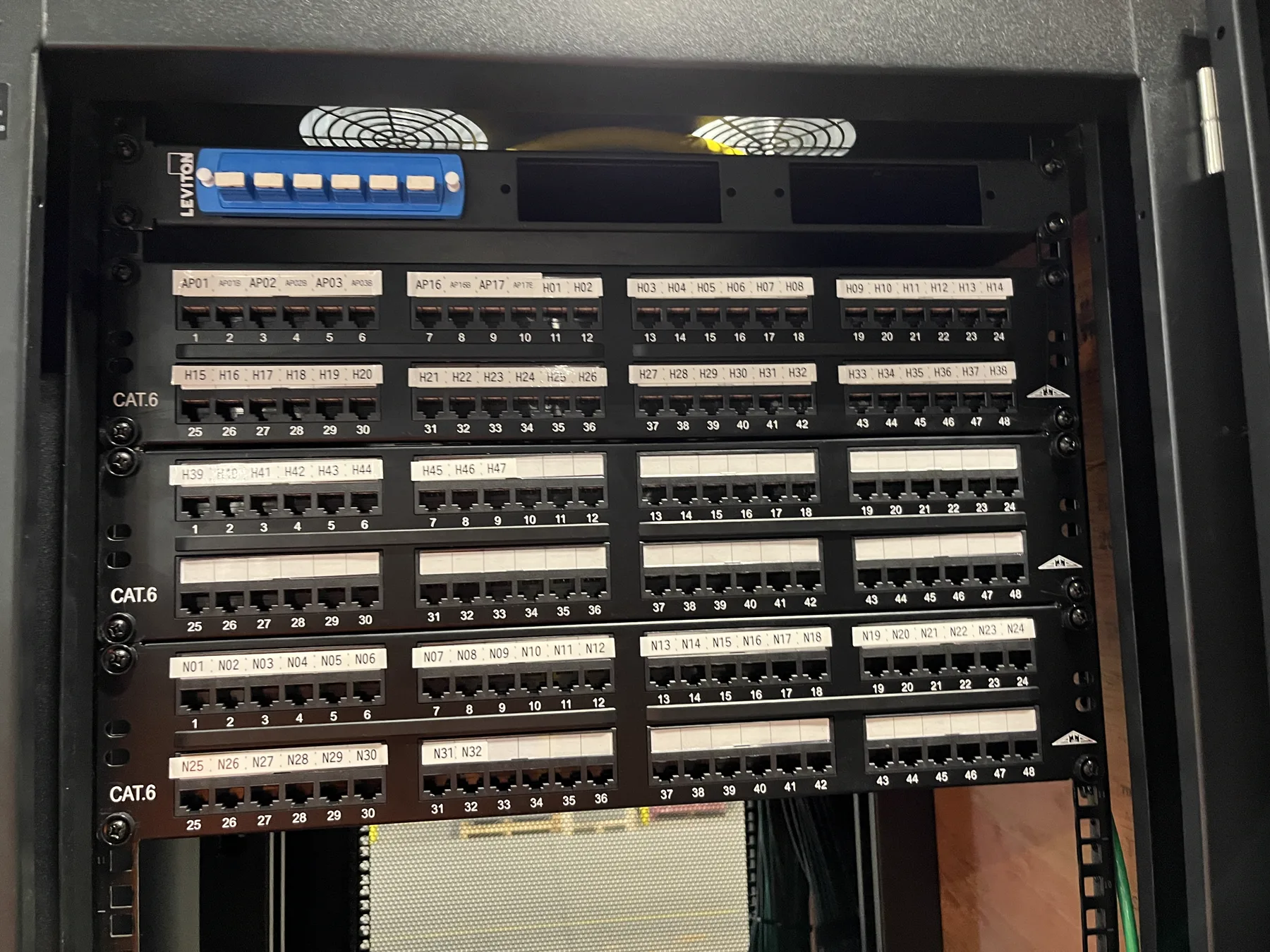
Areas We Serve in Minneapolis
Explore More from SRS Networks
Plan more services for your Minneapolis sites
Explore installation, site infrastructure and rollout support. Service details explain the work involved; include your site address, access requirements and schedule when requesting a scope.
Start with structured cabling and WiFi deployment for the installation at your sites. Review commercial WiFi installation for platform requirements and acceptance. For work repeated across locations, use the nationwide technology rollout program to plan the pilot, staging and site handover.
For additional work, review the full national service catalog, including data-center moves, equipment staging and site infrastructure. Confirm the installation package and specialist responsibilities for your property before adding those services to a bid.
Network deployment
- Network installation (this service)
Wireless
Security, AV and retail technology
Common Questions About Enterprise Network Deployment in Minneapolis
Schedule a Deployment in Minneapolis
Whether you need a single-site buildout or a multi-location rollout across Minneapolis, SRS Networks is your deployment partner.