
Data Cabling Services in Seattle
Seattle data cabling should identify the tenant’s copper links separately from shared-building fiber. Confirm who controls the handoff, which old links can be retained and the native records needed to accept the installed span before a Downtown or Eastside phase is priced.
One partner. One standard. Every location.

Plan your Seattle project
Separate Seattle tenant cabling from building backbone work
Confirm where the tenant handoff ends and the shared infrastructure begins. If fiber is part of the scope, identify that span separately from copper outlet quantities.
Shared rooms need an explicit boundary
Identify the property-controlled patch field, approved room entry and exact endpoint of the South Lake Union tenant contract before assuming an installer may change shared distribution.
Eastside reuse decisions need evidence
For Bellevue or Redmond retained runs, record labels, measurements and inaccessible areas. Price replacements and record corrections; unmeasured cable stays unresolved even if its port works.
Fiber acceptance is a separate span decision
Name strand endpoints, assignments and required optical measurements. Copper certification does not establish acceptance of the building’s fiber span or carrier and active equipment beyond it.
Detailed planning: Separate Seattle tenant cabling from building backbone work
Confirm where the tenant handoff ends and the shared infrastructure begins. If fiber is part of the scope, identify that span separately from copper outlet quantities. Build an endpoint-to-panel inventory with inherited links marked retain, replace or unresolved after review. Identify building-controlled distribution and optical spans separately. Each result needs the selected link model or optical budget, an installed identifier and an accountable reviewer.
Use the national scope to identify work belonging in the local bid. Data Cabling national scope.
Coordinate landlord and tenant responsibilities with the property planning guidance. Commercial property deployment planning.
For room or backbone work beyond an endpoint list, define the separate building package. Local building structured-cabling scope.
SRS Networks has delivered 900+ multi-site programs across 10,000+ locations company-wide. Use a documented scope to connect your local installation to the wider rollout.
Cat6 and Cat6A testing and closeout guideBring these details to the scope review
- Existing and proposed outlet-to-panel schedules
- Cable reuse decisions and application requirements
- Native test files, retests and approved exceptions
SRS Networks installs commercial data cabling in Seattle and the Eastside, including Downtown, South Lake Union, Bellevue and Redmond. Define tenant outlets separately from shared-building backbone and any fiber span. The buyer approves the category, link model and handoff boundary so installed labels, native results and patch records can be reconciled without assuming every network team uses one acceptance standard.
Cat6 and Cat6A Testing and Closeout Guide
Use the correct copper link model and test limit, then reconcile native results, retests, labels, schedules, as-builts, photographs, and acceptance. Apply the project-specific requirements for Seattle and the controlling authority, design, contract, and manufacturer instructions.
Data Cabling scope and acceptance in Seattle
A data-drop scope starts with the endpoint schedule: where each connection terminates, what it serves and how the buyer will verify the finished link.
Confirm drops and reuse assumptions
Reconcile workstation, printer, access-point and other endpoint locations with the drawings. Identify existing copper links proposed for reuse and define how their condition will be checked.
Terminate and label each connection
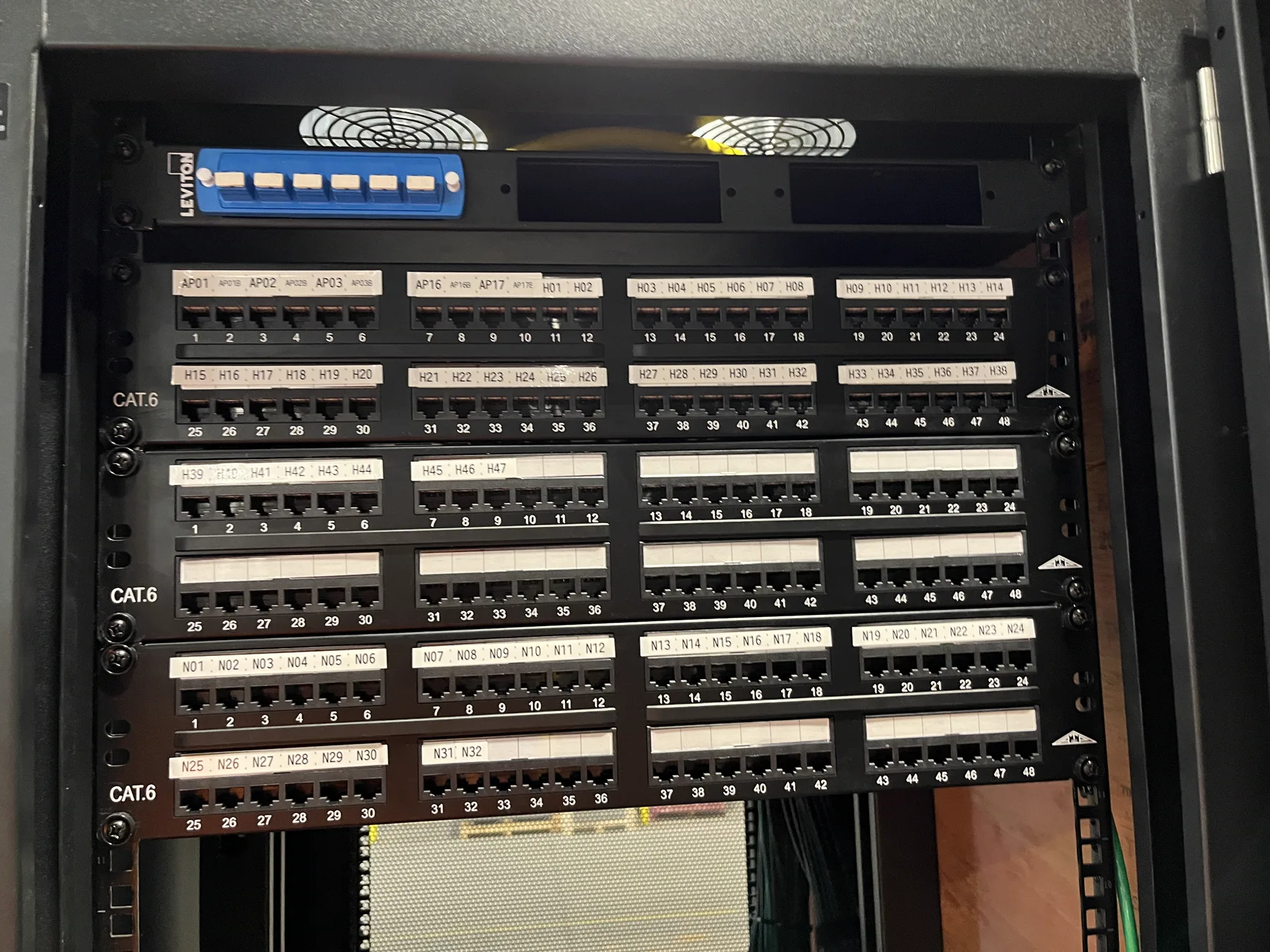
Match cable category, jacks, patch panels and installation details to the approved specification. Use a consistent drop identifier at both ends and record changes made during the pull.
Deliver a traceable test record
Test each required link against the agreed limit and retain native results. Reconcile retests, port assignments and labels so IT can find the corresponding connection after handoff.
A completed data drop is a physical connection. Confirm patching, switch-port configuration and endpoint commissioning responsibilities separately in the work order.
Seattle enterprise network deployment planning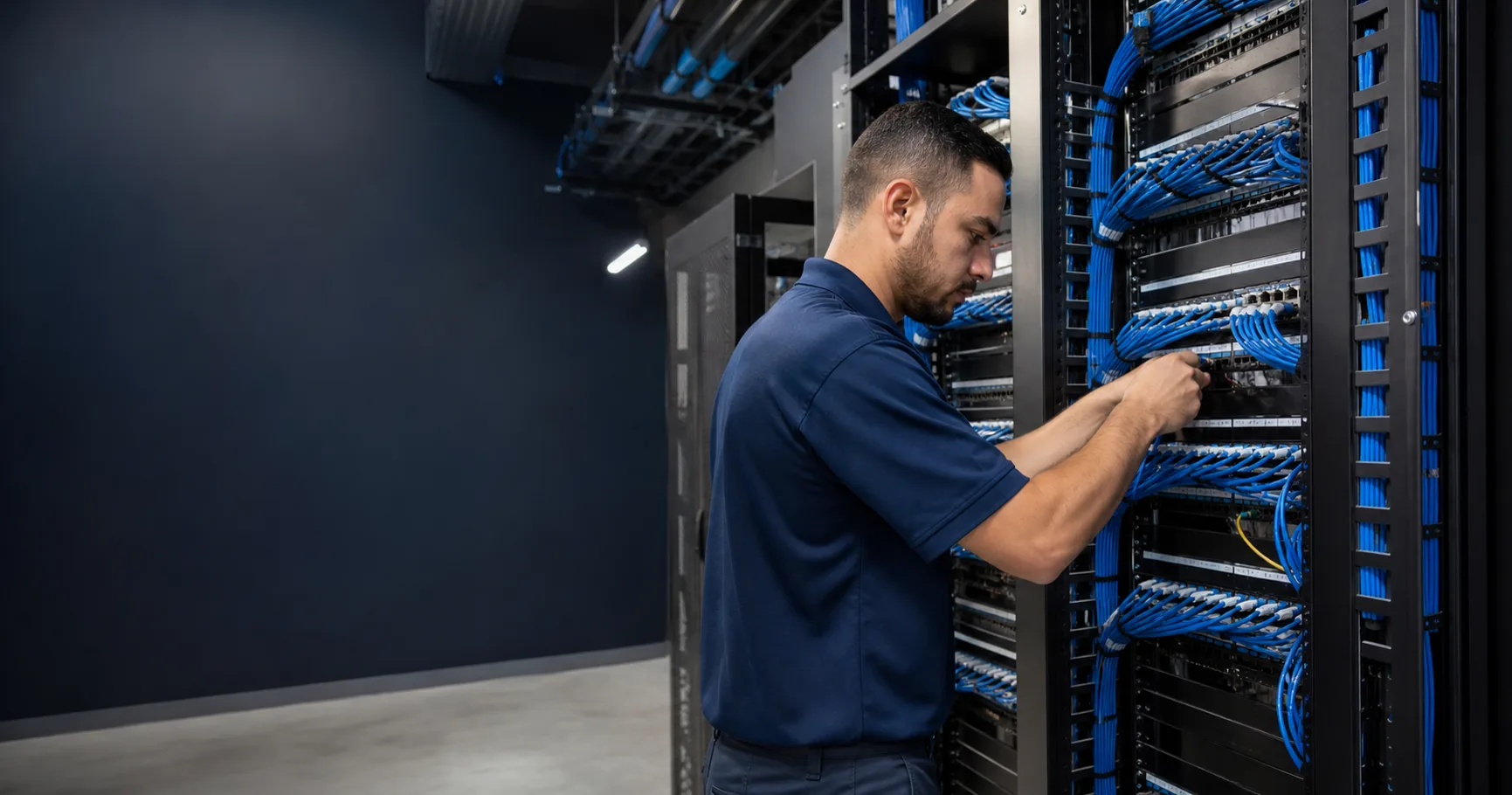
Serving All of Seattle
SRS Networks deploys enterprise network infrastructure across the entire Seattle metro and surrounding areas - one partner, one standard.
Industries We Serve
Areas We Serve in Seattle
Explore More from SRS Networks
Plan more services for your Seattle sites
Explore installation, site infrastructure and rollout support. Service details explain the work involved; include your site address, access requirements and schedule when requesting a scope.
Start with structured cabling and WiFi deployment for the installation at your sites. Review commercial WiFi installation for platform requirements and acceptance. For work repeated across locations, use the nationwide technology rollout program to plan the pilot, staging and site handover.
Cabling and fiber
Network deployment
Wireless
Security, AV and retail technology
Data center and site infrastructure
Field services and rollout delivery
Senior living technology
RTLS installation and planning
Common Questions About Data Cabling in Seattle
Schedule a Deployment in Seattle
Whether you need a single-site buildout or a multi-location rollout across Seattle, SRS Networks is your deployment partner.