
Physical Data Center Moves, Planned to Limit Downtime
SRS Networks coordinates equipment, rack and cabling moves between approved locations. The physical sequence is planned around maintenance windows to limit downtime.
The customer or appointed specialist owns backups, software shutdown and restore, application dependencies, logical cutover and application acceptance. SRS coordinates physical work with those owners.

Why Data Center Migrations Fail
Physical moves depend on accurate connection records, destination readiness and clear handoffs. Agree who releases equipment, who moves it and who restores applications before the work window opens.
Downtime Without a Move Sequence
Unclear shutdown releases and disconnected move teams consume the maintenance window. Agree the physical sequence and customer software checkpoints before equipment moves.
Missing Rack and Cable Records
Unlabelled equipment and undocumented ports slow destination reconnection. Record equipment identifiers, source connections and approved destination assignments in the physical move plan.
Unclear Software Ownership
The customer or appointed specialist owns application dependencies, backups, shutdown, logical cutover and application acceptance. Those releases must be coordinated with the physical crew.
Destination Not Ready
Rack space, approved power connections, pathways and facility access need readiness checks before the move window. Unresolved destination conditions are recorded for the responsible owner.
Handoffs Without Acceptance Records
Physical reconnection and application recovery are separate checkpoints. Record SRS installation checks and the customer or specialist software acceptance before closing the agreed work.
A Physical Move Plan Built Around Your Work Window.
SRS Networks plans the physical move against approved rack layouts and cable schedules. The customer or specialist provides software requirements and releases equipment for each phase. Both runbooks share named checkpoints and acceptance responsibilities.
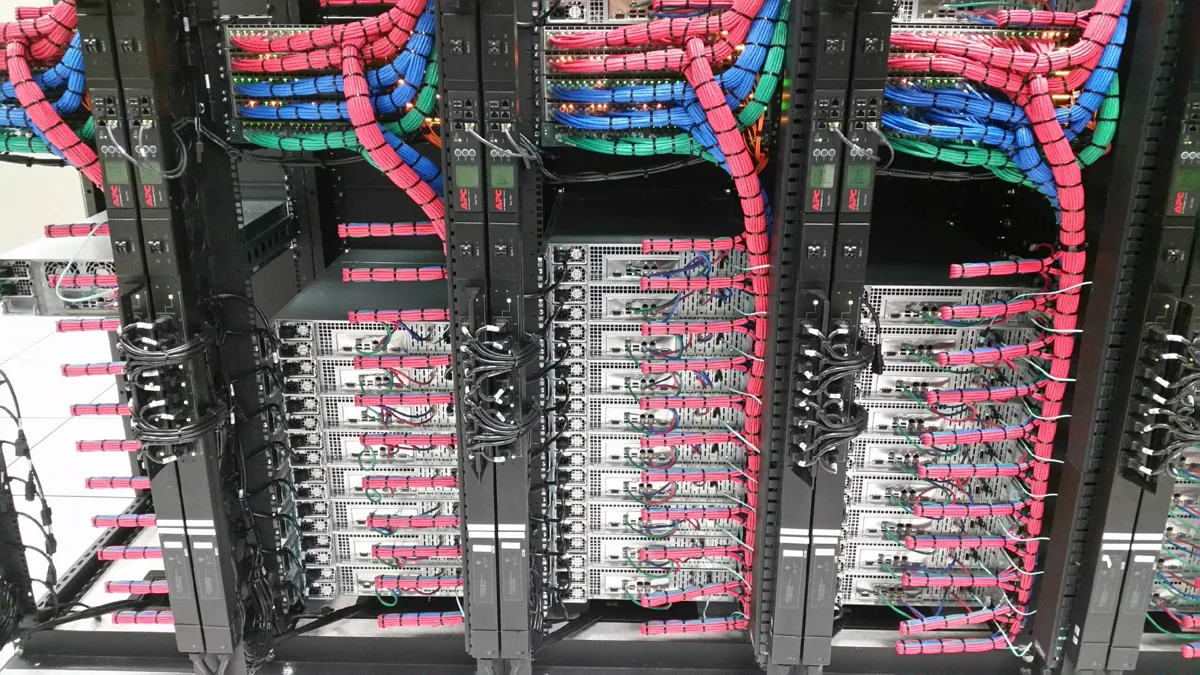
Your Physical Move Scope
SRS owns the agreed physical move scope: survey records, equipment and cabling work, installation checks and closeout. The customer or specialist owns software tasks and application acceptance.
Physical Move Survey
Document the equipment and connections in the agreed move scope against customer-approved destination plans. Application discovery and dependency mapping remain with the customer or specialist.
Move Sequence & Handoffs
Coordinate the physical runbook with the customer software runbook. Define work releases, responsible parties and escalation checkpoints to limit downtime.
Equipment & Cabling Move
Execute the agreed equipment handling, destination rack installation and cabling after the customer releases equipment. Transport arrangements and responsibilities are agreed in the project scope.
Physical Checks & Closeout
Check installed equipment and agreed physical connections, record exceptions and hand over installation records. The customer or specialist restores software and validates applications.
Unplanned Move vs. SRS Structured Migration
What changes when you replace an improvised relocation with a properly planned, documented, and validated migration engagement.
Built for Your Migration Scenario
Physical relocation services support server rooms, colocation moves, data hall transfers and equipment consolidation under approved destination plans.
Server Room Relocations
Coordinate the physical equipment and cabling move with office access and the customer shutdown schedule. The customer or specialist owns software recovery at the destination.
Colocation Moves
Prepare approved destination rack positions and cable assignments, then execute the agreed physical move. Facility cross-connects and software cutovers have named owners and release points.
Data Hall Transfers
Sequence rack-to-rack or room-to-room equipment moves around approved work windows. Physical crew handoffs follow customer or specialist shutdown and restart releases.
Infrastructure Consolidation
Move the selected physical equipment into the approved destination layout. The customer or specialist handles application integration, network configuration and logical consolidation.
Physical Work Sequenced Around Your Operations.
We pride ourselves on limiting downtime. Equipment records, destination checks and a phased physical runbook help the crew use the approved window effectively, with customer or specialist releases at the software handoffs.
Prepare a physical data-center migration handoff
Document the physical move and the decisions that surround it. SRS handles the agreed physical scope. Your customer IT team or appointed specialists own backups, shutdowns, configurations, software, cloud tasks, logical cutover and application validation. The workbook makes those boundaries and handoffs explicit.
Free, no registration. Save the fillable PDF locally and confirm your entries are retained before sharing. Duplicate the register pages when you need more rows.
Name the owners and define the authorized scope
Record the source and destination sites, change reference, approved revision and work window with its time zone. Identify the customer change authority, physical move lead, facilities lead, network owner and application validation owner. Give each a role and escalation route. Avoid a single shared IT contact where different people control shutdown, building access and acceptance.
Describe physical tasks precisely: identify, disconnect under approved instructions, pack, transport, rack and reconnect specified equipment. Record exclusions and customer-owned tasks alongside them. Your specialists must define shutdown order, dependency analysis, backups, configurations and logical cutover. A physical device list does not establish that an application can be interrupted or recovered.
Create device and connection records that can be followed
Give every device an asset ID and source and destination rack position. Record handling instructions, dimensions or weight where relevant, rail requirements and the evidence reference for the approved placement. Reconcile the inventory before release. Do not substitute a similar model or move an unlisted device because it appears in the same rack.
Use a separate connection ID for each link. Capture source port, destination port, cable or optic identifier, label and photograph reference. Have the responsible specialist approve the intended destination mapping. Keep credentials, sensitive configurations and backup contents in controlled systems rather than attaching them to a broadly shared worksheet. Record references and owners instead.
Agree the stop points before disconnecting
Verify destination rack availability, power connections, cooling, access and receiving authority with the responsible facilities and customer teams. Record who confirmed each dependency and the evidence used. Require a named customer release for shutdown and disconnection. A reserved change window is not authorization to proceed when a prerequisite is unresolved.
For each checkpoint, state the observation, decision owner, permitted next action and escalation route. Identify the latest point at which a proposed return action remains feasible. Return depends on actual equipment condition, transport position, power and the customer specialists' decisions. Do not label an untested proposal guaranteed rollback or promise a zero-downtime move.
Separate physical completion from service acceptance
Record device receipt, rack position and physical reconnection against the approved inventory. Attach handling exceptions, damage observations and missing-item records to their asset IDs. The physical lead records the work performed; customer network and application owners perform and approve their specialist checks. A lit link indicator cannot establish application health.
If a check fails, record the symptom, affected asset or connection, owner and decision. Keep the original mapping and any approved change traceable. Close the physical package only against the agreed acceptance requirements, with unresolved exceptions visible. The final signoff should distinguish delivered physical records from customer service restoration and application acceptance.
Worked example: six racks and 84 devices
Illustrative scenario, not an SRS project or performance claim.
A fictional customer plans a move involving six racks and 84 devices. Device SW-017 has a rack position and an approved connection record C-017. The physical lead follows that record for handling and reconnection. Customer IT owns shutdown, configuration and application validation. Each handoff records its evidence and accepting role; the device count alone does not establish that the service is restored.
Pause example: destination power does not match
The destination PDU connection differs from the approved equipment requirement. Pause before disconnecting SW-017. Facilities owns resolving and documenting the mismatch; the customer change authority decides whether to release a revised sequence or defer the move. Any physical return plan remains conditional on the current state and specialist approval. Do not improvise an adapter or proceed to protect the original schedule.
Planning references
Background planning methods, not a substitute for project-specific engineering, current requirements or authorized change procedures.
Compare the Physical Move Package Before Booking the Window
A useful move proposal connects each equipment group to its handling tasks, destination and receiving owner. Record the unresolved inputs before comparing totals.
What is included in a physical data center migration?
The written scope identifies the equipment, rack and cabling tasks assigned to SRS: source records, approved move sequence, equipment handling, destination rack installation, reconnection and agreed physical checks. Name the packing, transport and supporting trades separately. A room-to-room move and a transfer between facilities can have different handoffs. The customer supplies the approved destination design and retains software, backup and application responsibilities through its own team or appointed specialist.
What changes the cost of a physical data center move?
Equipment quantities are only part of the estimate. Identify the handling method approved for each device, rack removal and installation tasks, required packing, route between facilities and access equipment. Record loading-bay and elevator restrictions at both ends, destination rails and connection materials, and the permitted work window. Ask bidders to separate transport, extra visits and unresolved readiness items from the agreed field labor. Backups, software work and application testing remain separate customer or specialist responsibilities.
Who authorizes equipment shutdown and release for the move?
The customer or appointed specialist owns backups, application dependencies and software shutdown. Name the person who confirms that each equipment group is ready for physical disconnection, with the permitted work window and release recorded in the runbook. SRS follows that release and the approved rack and cable schedule. If a device is still required by an active service or its identity cannot be reconciled, return the exception to the decision-maker rather than assume the crew can disconnect it.
What must be ready at the destination before equipment leaves the source?
Reconcile each equipment identifier with its approved destination rack position, required rails, power interface and cable assignments. Confirm room access, the handling route, material receipt and a named receiving contact for that phase. The relevant facilities, electrical and network owners confirm their assigned readiness items. Record unresolved conditions and the agreed go-or-hold decision before equipment is released; a booked destination or a delivery appointment alone is not an installation-ready room.
Who handles packing, transport and equipment custody during the move?
Name the packing, loading, transport and receiving parties in the written scope. Agree handling instructions and the transfer record before work begins, including equipment identifiers, condition notes, releasing and receiving contacts, and any required timestamps or photographs. Reconcile received items at the destination and log missing, damaged or held equipment with its decision owner. Transport arrangements, any required coverage evidence and liability terms need project-specific agreement; they are not established by a general equipment-move description.
What happens if a move phase cannot finish within the approved window?
Agree the escalation contacts and a decision time before the move begins. The customer decision-maker determines whether work may continue, equipment must be held or a pre-approved physical recovery action can be used. Identify the access, parts, connections and specialist availability that action would require. SRS records the physical status and follows the authorized sequence. A return move may not be feasible after every change, and software rollback remains with the customer or specialist; the plan must state its limits.
Who restarts software and accepts applications after the physical move?
The customer or appointed specialist owns software restore, configuration, logical cutover and application testing. SRS hands over the status of the installed equipment and agreed physical connections, with any open items identified. Set the receiving reviewer and the point when each group is released for those software checks in the runbook. Physical reconnection is not proof that a database, cloud workload or business application has recovered, and application acceptance should be recorded separately.
What records should we receive at the end of a data center relocation?
Agree the closeout package before booking the move: equipment reconciliation, final rack positions, cable and port records, contracted physical-check results and approved changes. Preserve the handling or custody records assigned in the scope and an exception list for missing, held or incomplete items. Name the receiving owner and next action for each unresolved item. Keep this physical handoff separate from customer software and application sign-off; arrival at the destination does not close either acceptance stage.
Use the site survey checklist to identify access and destination questions. The installation RFP guide and change-order planning guide help record bidder assumptions. Keep the data center cabling and infrastructure scope separate from the physical move and software runbooks.
Explore More from SRS Networks
Plan Your Migration Before the Window Opens
Share your equipment list, source and destination layouts, approved work windows and software owner contacts. SRS will define the physical move scope and coordinate the installation handoffs with your team.