
Racks Built for Organization and Access
A tangled equipment closet isn't just an eyesore - it's a time tax on every technician who touches it. Poor organization means slower troubleshooting, higher error rates, and infrastructure that's harder to grow.
SRS installs network racks and equipment under approved elevations, with agreed labels, physical checks and handover records. The facility and qualified designers approve mounting, power and thermal requirements.
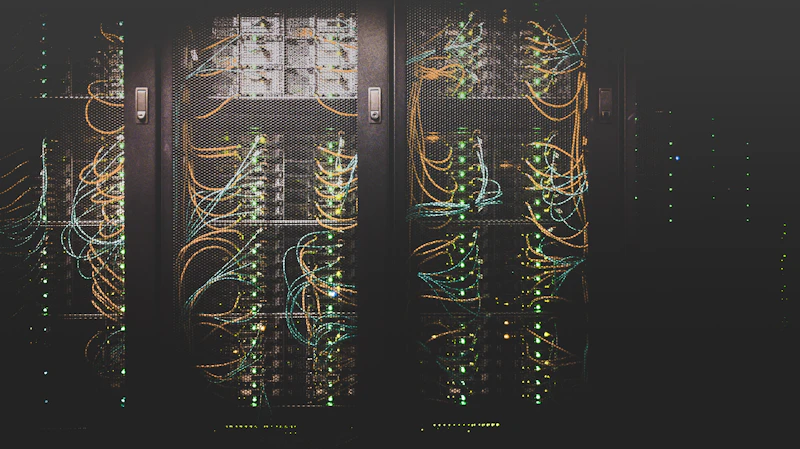
What Happens When Racks Are Built Without a Plan
Equipment closets don't get messy overnight. They accumulate problems over years of rushed installs, undocumented changes, and growth that nobody planned for.
Equipment Without an Approved Elevation
Unrecorded equipment positions and incompatible rail kits can prevent a planned rack build. Reconcile models, dimensions and released mounting instructions before delivery.
Cables Restricting Equipment Access
Identify the cables and services in the work package before dressing or repatching. Record obstructions and obtain the network owner's release for any changed connection.
Unverified Equipment Clearances
The designer and facility team approve airflow orientation, clearances and thermal prerequisites. Record a field conflict before moving equipment outside the released plan.
Labels That Do Not Match the Rack
Agree the rack, device and connection identifiers. Unknown or inconsistent labels need a receiving-owner decision; they do not authorize removal of a cable or device.
Growth Without Supporting Capacity
Have the responsible designer define spare rack units and supporting power, cooling and pathway allowances. Empty rack space alone does not establish capacity for new equipment.
Built Once. Serviceable for the Long Haul.
Confirm equipment fit, approved rack positions and site readiness before assembly. SRS installs the released physical package and records deviations. The customer and specialist owners decide any layout, power, thermal or active-service change.

Complete Rack Installation Coverage
The work order assigns rack assembly, equipment mounting, cabling and records separately from structural, thermal, electrical and software decisions. Agree prerequisites and the physical acceptance package before dispatch.
Approved Rack Layout Readiness
Reconcile the released elevation, equipment schedule and compatible rails before installation. The responsible designer and facility owner approve layout, anchoring and capacity.
Cable Management Systems
Install the specified managers, supports and patching in the agreed work area. Identify live connections and refer any disconnect or route change for authorization.
Approved Power Equipment Mounting
Mount the specified PDU/UPS hardware and perform permitted equipment-side connections where included. Qualified parties retain circuit, load, hardwiring and runtime decisions.
Physical Handover Records
Agree installed inventory, rack markups, connection records and photographs before work. Preserve missing parts, untraced links and open checks for the receiving owner.
Rack Installation: Scope and Acceptance Evidence
What changes when you replace a closet full of improvised installs with a structured, documented rack built by a team that takes long-term serviceability seriously.
Environments Where Rack Quality Matters
SRS Networks builds racks in environments where serviceability, documentation, and long-term reliability aren't optional - they're what the business depends on.
MDF/IDF Closets
Use approved rack elevations, patching and device identifiers for the room. Confirm live-service restrictions and electrical or cooling prerequisites with their owners.
Data Centers
Install the released cabinet and equipment arrangement. The facility and design authorities approve airflow, capacity, power and resilience requirements; rack assembly alone does not certify uptime.
Branch Offices
A repeatable rack and label package can support remote teams. Record actual installed positions and site exceptions so the customer can plan later authorized work.
Retail Backrooms
Coordinate the physical rack work with store access and protected equipment. POS, camera and network owners retain service checks and reopening decisions.
We Build Racks Like Someone Will Have to Service Them.
Keep the installed rack positions, approved cable identifiers and field checks in one handover record. Identify unresolved fit or access conditions and their owners before accepting the physical work.
Questions to settle before deployment
What information is needed to quote a rack installation?
Send the site and room list, rack elevations, equipment models and dimensions, supplied rail kits, mounting instructions, pathway plan and access windows. Identify what must remain live and who approves the installation. Note delivery, lift or escort constraints so the estimate separates handling, physical assembly and specialist prerequisites.
Who approves rack positions, equipment weights and mounting details?
The facility and appointed designer approve the location, floor or wall capacity, anchoring and equipment layout. The equipment owner confirms compatible rails, fasteners and manufacturer instructions. SRS installs the released physical arrangement; a field crew does not independently establish structural, electrical or thermal design adequacy.
What happens if rails, parts or equipment do not match the approved plan?
Record the model, missing part or fit conflict and the affected rack position. Refer it to the equipment or design owner before substituting a mount or moving equipment. Agree any replacement parts, revised instructions and return visit before releasing the change; do not improvise support for equipment that cannot be mounted as specified.
Does rack installation include power or software commissioning?
Mounting approved equipment and permitted equipment-side connections can be included in the field package. Qualified electrical parties retain new circuits and restricted connections; the responsible designer determines load and UPS runtime. Customer platform teams own software, network policy and service acceptance unless a specific authorized assistance task is included.
Can work proceed next to equipment that must remain live?
Identify protected equipment, active connections and physical access limits with the site and network owners. Agree any shutdown, disconnect or repatch window and the person who can pause the work. Adjacent equipment handling may require an interruption; completing the rack assembly does not guarantee uninterrupted service.
What affects rack installation cost?
Rack and device quantities, handling weight, delivery route, floor or wall mounting conditions, rail-kit readiness, cable dressing and occupied access windows affect field effort. Separate equipment supply, structural review, electrical work and platform commissioning. Record assumptions and who authorizes extra materials, waiting time or another visit.
What records should we receive at physical handoff?
Agree installed rack and device identifiers, elevations or markups, approved photographs, cable/port labels and the physical checks to be recorded. Reconcile missing parts and unaccepted positions with their owners. The receiving party accepts the physical package separately from electrical approval, software commissioning and operational service release.
How is a repeated rack build released across sites?
Approve a representative build and its kit, elevation and closeout requirements before repeating it. Each site still needs confirmed access, dimensions, mounting approval and equipment compatibility. Record permitted differences against the released revision; an accepted pilot does not authorize a different rack, anchor or device arrangement.
Explore More from SRS Networks
Ready to Build a Rack That Actually Works?
Whether you're building out a new MDF, cleaning up an existing equipment closet, or deploying racks across multiple locations, SRS Networks delivers infrastructure that is organized, labeled, and documented from day one.