
Warehouse Network Infrastructure
Warehouse operations can't afford dead zones, dropped scanner connections, or WMS outages. Office-grade WiFi deployed in an industrial environment was never designed for this - and it shows.
SRS Networks engineers and deploys industrial-grade network infrastructure for warehouses, distribution centers, and manufacturing facilities - built for the environment, optimized for the workflow.
Who can deploy networks across a warehouse and logistics portfolio?
SRS Networks coordinates cabling, fiber, racks and wireless deployment across warehouse sites. Start with rack elevations, scanner models, traffic paths and operating windows. Agree the test routes with the warehouse team before installation; a signal reading alone does not establish that picking, packing and shipping workflows work.

Why Office WiFi Fails in Warehouse Environments
Warehouses are one of the most demanding RF environments in existence. Metal racking, concrete, forklifts, and temperature extremes create conditions that standard networking equipment isn't built to handle.
WiFi Dead Zones Throughout Racking Aisles
Dense metal racking, high-bay shelving, and concrete flooring absorb and reflect RF signal in ways a standard office AP layout can't account for. The result is dead zones exactly where your pickers and forklifts need coverage most.
Handheld Scanners Dropping Mid-Scan
When a barcode scanner loses its connection mid-transaction, workers either re-scan and risk duplicate entries, or wait and kill throughput. Either way, the WMS takes the hit and the floor slows down.
WMS Connectivity Breaks Under Load
Warehouse management systems require consistent, low-latency connections - especially during receiving surges and end-of-shift put-away operations. Consumer-grade infrastructure can't sustain that under real operational load.
Consumer-Grade Hardware Fails in Industrial Environments
Dust, temperature swings, vibration, and humidity destroy standard office networking hardware. Equipment that works fine in a climate-controlled server room has a short lifespan inside a warehouse or cold storage facility.
No Signal at Loading Docks and Receiving Areas
Dock doors, staging areas, and receiving bays are often the last places coverage reaches - or doesn't. Drivers, loaders, and receiving clerks lose connectivity right at the point where accurate scan data matters most.
Infrastructure Designed for Industrial Reality.
SRS Networks approaches warehouse deployments differently than office installs. We survey with racking in place, select hardware rated for your specific environment, and configure every layer of the stack for the scan-first workflows your operation depends on.
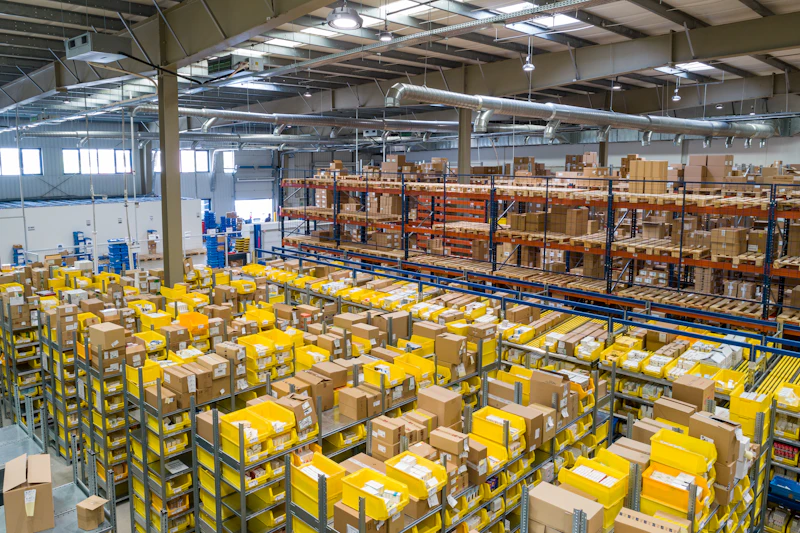
Complete Industrial Network Deployment
From the initial RF survey with racking in place to WMS validation and dock-to-dock coverage sign-off - SRS Networks handles the full scope of your warehouse network.
Industrial RF Design
We survey your facility with racking in place and produce a coverage design that accounts for metal shelving, aisle layouts, and interference sources specific to your warehouse environment.
Ruggedized Hardware Deployment
Every access point, switch, and cable run is selected and installed for industrial conditions - IP-rated enclosures, plenum cabling, and secure mounting rated for forklift vibration and temperature variance.
WMS & Scanner Optimization
We configure the network specifically for the roaming behavior of handheld scanners and mobile devices - fast roaming, low-latency handoffs, and QoS policies that keep WMS traffic prioritized.
Dock-to-Dock Coverage
Loading docks, receiving bays, staging areas, and exterior dock doors are included in the coverage design - not added as an afterthought. Full coverage means your dock team stays connected.
Office-Grade WiFi in a Warehouse vs. SRS Industrial Deployment
What actually changes when you replace repurposed office equipment with infrastructure engineered for industrial environments and warehouse workflows.
Facilities We Deploy In
SRS Networks has deployed industrial network infrastructure across distribution centers, 3PL facilities, manufacturing floors, and cold storage environments - each with unique RF challenges and operational demands.
Distribution Centers
High-throughput distribution operations depend on scanner connectivity at every pick, pack, and ship station. We design networks that keep every handheld device connected at full operational speed.
3PL Warehouses
Third-party logistics providers run multi-client operations that can't tolerate downtime. Our industrial WiFi design supports simultaneous WMS connections across high-bay racking environments.
Manufacturing Floors
Production lines, assembly stations, and quality control checkpoints all require reliable connectivity. We handle the RF complexity of mixed industrial and office environments in manufacturing facilities.
Cold Storage Facilities
Freezer environments present extreme challenges for networking hardware. We select and install equipment rated for sub-zero operation - so your cold chain tracking doesn't go dark inside the cooler.
Industrial Environments Demand Purpose-Built Networks.
Most network vendors don't differentiate between an office and a warehouse. We do. Every warehouse deployment starts with a facility-specific RF survey, uses hardware rated for the environment, and is validated against real scanner and WMS workflows before we hand off the keys.
Explore More from SRS Networks
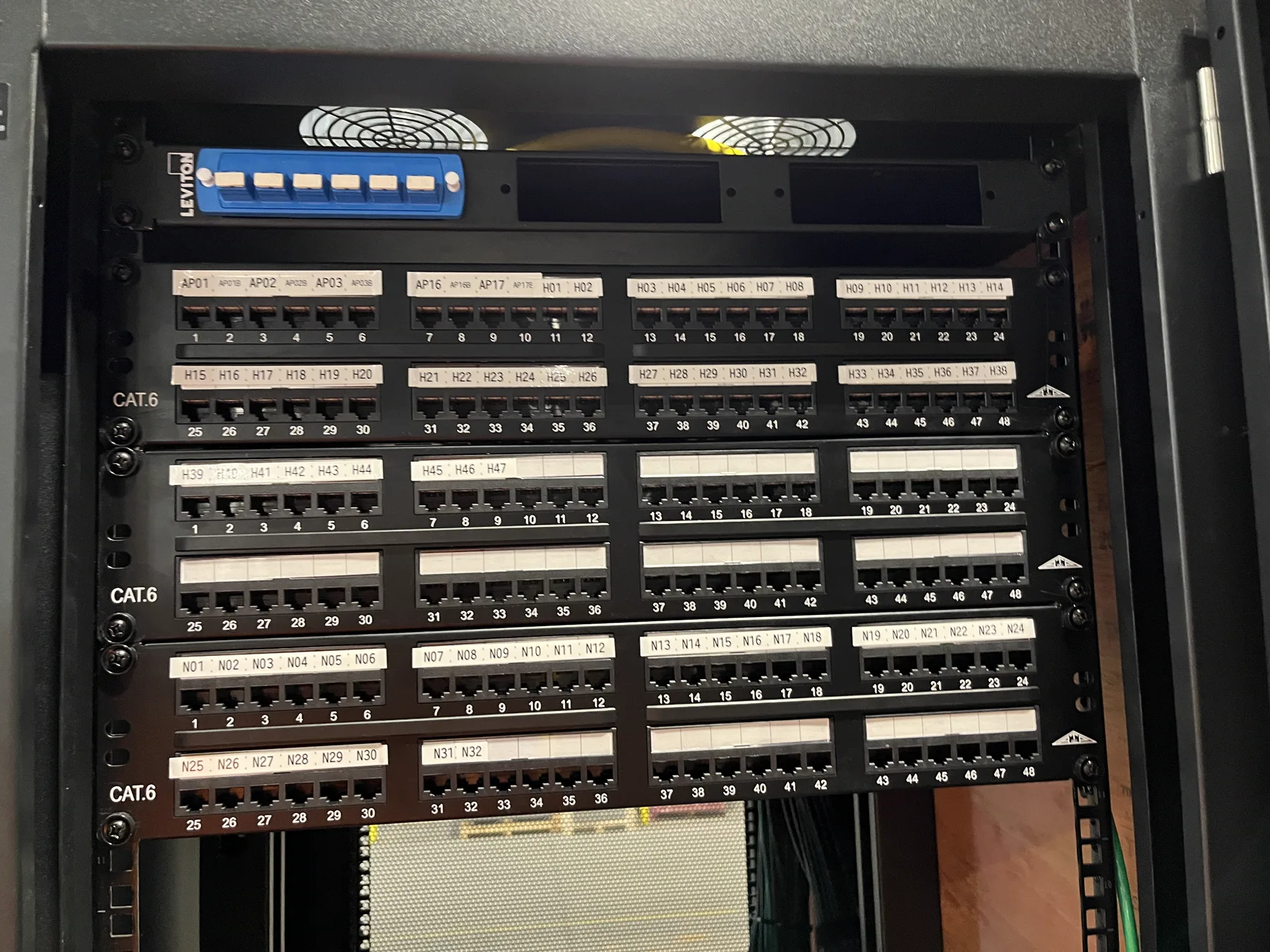
Warehouse MDF and IDF Cabling Buildout
See released field photographs of high-bay pathways, rack installation, copper termination, fiber management, and completed communications spaces.
Ready to Build a Network Your Warehouse Can Rely On?
Whether you're dealing with scanner drop-outs, WMS connectivity issues, or deploying into a new facility - we'll design and build industrial infrastructure that holds up.
Agree the deployment scope before scheduling crews
Use these questions to separate site readiness, installation and acceptance responsibilities in your request for a proposal.
Who can deploy networks across a warehouse and logistics portfolio?
SRS Networks coordinates cabling, fiber, racks and wireless deployment across warehouse sites. Start with rack elevations, scanner models, traffic paths and operating windows. Agree the test routes with the warehouse team before installation; a signal reading alone does not establish that picking, packing and shipping workflows work.
What belongs in a warehouse network site survey?
Record rack height and loading, ceiling access, dock areas, freezer boundaries, communications rooms, power and cable pathways. Include the devices that move through each zone. Flag areas that cannot be surveyed under representative stock conditions so the design and acceptance plan carry those limits.
How should scanner roaming be tested?
Use the approved handheld models on representative pick routes and between access-point coverage areas. Record disconnects, application behavior and the conditions during the test. The warehouse application owner should define the acceptable result and approve any exceptions; an installer should not invent a universal roaming threshold.
Can work proceed while the warehouse operates?
Plan lifts, aisle closures and cable work with the site operations lead. Separate protected work areas from forklift and pedestrian routes, and agree the restoration point for each shift. The project schedule should show which tasks need an outage or temporary access restriction.
Can existing warehouse cabling be reused?
Survey the cable type, route, labeling and condition, then test against the approved link requirements. Separate verified reusable links from untested assumptions in the estimate. Any failed or inaccessible link needs an agreed replacement or investigation allowance.
What should warehouse closeout include?
Specify cable identifiers, rack and port schedules, certification results, wireless test records, photographs and unresolved exceptions. Connect each record to a site and location identifier. The warehouse team should receive the accepted package before the program moves from installation to routine support.
Which conditions change the installation budget?
High-bay access, lift availability, cold-storage boundaries, long fiber runs and restricted shift windows affect the field scope. Hardware and licensing are separate estimating inputs. Use the surveyed quantities and work windows to compare bids instead of comparing an unexplained price per warehouse.
Does network installation include WMS changes?
Warehouse management software configuration, scanner application changes and process redesign need named owners in the scope. SRS field deployment can be coordinated with those teams. Do not treat a cabling or access-point installation order as authorization to change the warehouse application.
Prepare the site-survey checklist, compare the installation deliverables in each bid, and use the RFP scope template to record the work you want priced.
Email the site list and current drawings to partners@srsnetworks.com. Cheryl routes the request to the deployment team.