
Structured Cabling Services in Tampa
Tampa structured cabling proposals should identify new runs and retained links before comparing labor. SRS installs to the customer-approved pathway and termination plan for commercial properties, documenting the specified physical tests. A Westshore fit-out and an occupied office can require different releases; neither site inherits approval from a portfolio template.
One partner. One standard. Every location.
- Founded
- 1996
- Companywide programs
- 900+
- Companywide sites
- 10,000+
- Operating offices
- 6
Plan your Tampa project
Make the Tampa bid show retained and replacement cabling
When comparing Tampa structured-cabling contractors, ask each bidder to identify retained links, new horizontal runs and backbone work against the same plan. Define pathway access and test obligations for reused cable instead of treating existing plant as automatically suitable. Use a documented route-change approval and specify the label-to-test reconciliation at handoff. The physical package can support a wider network refresh, but controller settings and operational service acceptance require separately named responsibility.
Resolve a Westshore shell-to-tenant drawing change
Ask the design owner to identify which endpoint changes alter the prepared pathways. Show the approved drawing revision and resulting allowance before the installer prices a pull. The communications package should not silently absorb a conduit or restoration task allocated to another trade.
Treat coastal exposure as a surveyed design input
At a Channelside or port-area site, distinguish conditioned rooms from exposed routes and ask the designer for the applicable environmental ratings. Put exterior access and weather allowances beside those segments. A cabling contractor should not promise one storm specification or surge outcome across the portfolio.
Detailed planning: Append the Tampa trade responsibility matrix to the retrofit plan
Retain the new-construction and occupied-area sequence, then allocate conduit, back boxes, supports, power, firestop and restoration by responsible trade. Reconcile revised AP, reader and camera endpoints with the issued route plan before rough-in. The cabling receiver should approve labels and native test files separately from any electrical inspection or active-system commissioning.
Compare the existing national service boundary with the local installation package; retain the national route owner. Review national structured cabling scope.
Keep the operator's release and acceptance responsibilities beside the physical field scope. Review healthcare deployment responsibilities.
Use the existing procurement article to define bidder inputs and exclusions before comparing installation prices. Use how to write structured cabling rfp.
Use the existing procurement article to define bidder inputs and exclusions before comparing installation prices. Use network deployment rfp template.
Complete the existing scope worksheet with this property's quantities, access dependencies and acceptance owner. Cabling scope and RFP checklist.
Agree the physical testing and handoff evidence using the existing technical guide. Structured cabling acceptance and certification checklist.
Review allowances, omitted trade responsibilities and required closeout records against the same buyer package. Compare network bid scope and exclusions.
Send drawings, endpoint quantities and the confirmed access conditions; navigation is separate from a saved inquiry. Request a scoped budget estimate.
Ask for investigation of unresolved routes or retained plant. A submitted inquiry still needs staff qualification. Request a site survey.
SRS Networks has delivered 900+ multi-site programs across 10,000+ locations company-wide. Use a documented scope to connect your local installation to the wider rollout.
Structured cabling acceptance and certification checklistBring these details to the scope review
- Outlet quantities, closet locations and approved pathways
- Occupied-area access, restoration and installation windows
- Labeling convention, test basis and acceptance owner
SRS Networks installs commercial structured cabling under approved designs across Tampa, from Westshore and Downtown tenants to port-area warehouses and suburban fit-outs. Begin with the approved outlets, shared pathways and closet schedule. Define which trade supplies conduit, supports, power, firestop and restoration before pricing cable work. Exposed segments need site-specific design ratings and access allowances; physical-link records and the named acceptance owner complete the bid package.
Choose the work package for your Tampa property
Keep the bid tied to the work being installed. These related service pages explain where a different package applies.
Use the outlet schedule when the work is defined by individual endpoints and panel assignments.
Use the strand and termination package for optical routes and agreed loss measurements.
Structured Cabling Acceptance and Certification Checklist
Define the pathway inspection, link model, test basis, labeling reconciliation, result audit, closeout package, and signoff required before accepting the installed plant. Apply the project-specific requirements for Tampa and the controlling authority, design, contract, and manufacturer instructions.
Structured Cabling scope and acceptance in Tampa
Define the installed cable plant before comparing bids: horizontal links, backbone routes, telecommunications rooms and the records needed to accept them.
Survey pathways and rooms
Record outlet locations, rack space, available pathways, access windows and existing plant to retain. Identify routing decisions that need landlord or design-team approval before mobilization.
Install to the approved cable schedule
Coordinate copper and fiber runs with the drawings, termination locations and labeling scheme. Track field changes against the same identifiers used in the port and cable schedules.
Reconcile certification and closeout
Agree on the link model and test limits before installation. Match results to installed labels, resolve failed links and deliver the required certification files, as-builts and exception list.
Specify switches, wireless access points and carrier circuits separately when the project requires them. Cabling acceptance establishes the installed plant; it does not by itself validate those active systems.
Tampa enterprise network deployment planning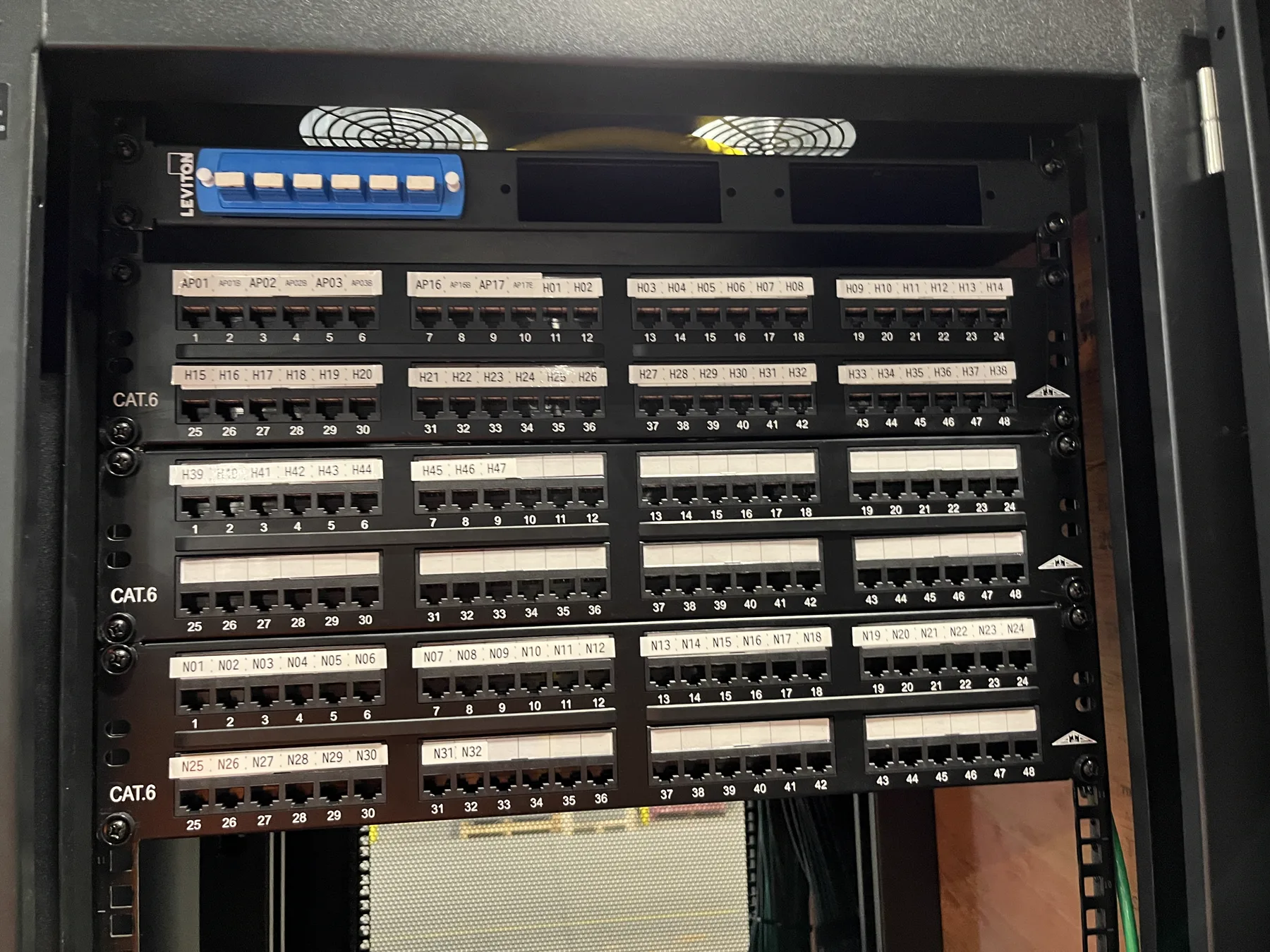
Serving All of Tampa
SRS Networks deploys enterprise network infrastructure across the entire Tampa metro and surrounding areas - one partner, one standard.
Industries We Serve
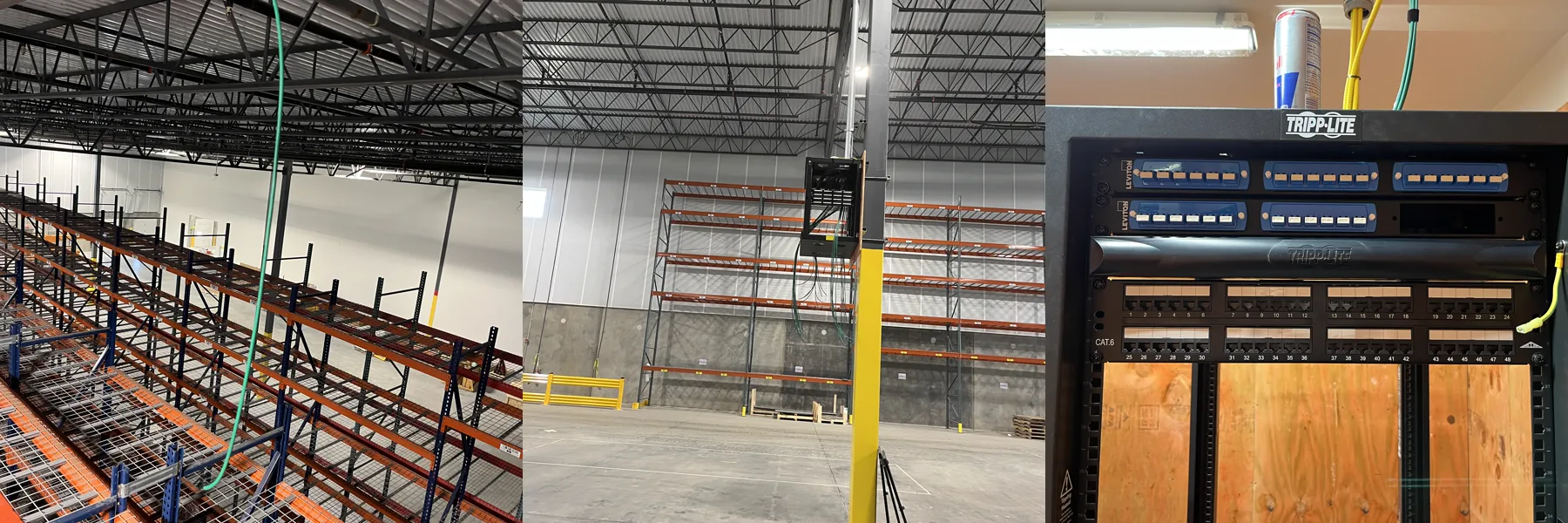
Areas We Serve in Tampa
Explore More from SRS Networks
Plan more services for your Tampa sites
Explore installation, site infrastructure and rollout support. Service details explain the work involved; include your site address, access requirements and schedule when requesting a scope.
Start with structured cabling and WiFi deployment for the installation at your sites. Review commercial WiFi installation for platform requirements and acceptance. For work repeated across locations, use the nationwide technology rollout program to plan the pilot, staging and site handover.
For additional work, review the full national service catalog, including data-center moves, equipment staging and site infrastructure. Confirm the installation package and specialist responsibilities for your property before adding those services to a bid.
Cabling and fiber
- Structured cabling (this service)
- Data cabling
- Low voltage cabling
- Fiber optic installation
Network deployment
Wireless
Security, AV and retail technology
Common Questions About Structured Cabling in Tampa
Schedule a Deployment in Tampa
Whether you need a single-site buildout or a multi-location rollout across Tampa, SRS Networks is your deployment partner.