
Data Cabling Services in San Jose
SRS Networks installs San Jose commercial endpoint cabling with new, retained and reserved capacity identified before the pull. North San Jose tenant changes and Milpitas work-area releases shape the scope. Outlet maps and measured results support physical acceptance; full data-center infrastructure and active network work remain separately agreed.
One partner. One standard. Every location.

Plan your San Jose project
Separate San Jose new outlets from retained and reserved capacity
Create one room-to-panel schedule that marks new links, reused plant, spare outlets and unpopulated panel capacity. Document the approved device requirements and lease horizon before deciding cable category. The city page serves physical endpoint cabling; room-wide data-center design and commissioning remain with their own scope and acceptance criteria.
North San Jose tenant changes
Use the occupancy and access-point plan to choose spare positions. Confirm pathway capacity for future additions instead of applying an arbitrary spare-drop percentage to every suite.
Milpitas production releases
Identify the device owner and the person who can release the relevant work area. Keep active cutover and production acceptance distinct from termination and measured link performance.
Use the service scope to separate the building installation from adjacent work and active-network responsibilities. Review the national service scope.
Check which operator and equipment-owner approvals apply to this building use before the work areas are released. Review the matching industry deployment scope.
Turn the pathway, endpoint and acceptance decisions into an RFP vendors can price against. Prepare a structured cabling RFP.
Record receiving, access, trade dependencies and acceptance owners in the deployment plan. Plan a network deployment RFP.
Record existing and proposed outlet-to-panel connections, reuse decisions and the test files needed for closeout. Cat6 and Cat6A closeout workbook.
Agree the measurement model, label-to-file mapping and exception process before accepting installed cabling. Cat6 and Cat6A testing and closeout guide.
Send the addresses, endpoint or device schedule and unresolved access conditions for a scoped estimate. Request a scoped budget estimate.
Request a survey of the unknown routes, equipment interfaces and building releases before committing the installation sequence. Request a site survey.
SRS Networks has delivered 900+ multi-site programs across 10,000+ locations company-wide. Use a documented scope to connect your local installation to the wider rollout.
Cat6 and Cat6A testing and closeout guideBring these details to the scope review
- Existing and proposed outlet-to-panel schedules
- Cable reuse decisions and application requirements
- Native test files, retests and approved exceptions
SRS Networks installs commercial data cabling in San Jose and the South Bay, covering copper outlets, patch panels, labels and recorded link tests. We plan endpoint and spare capacity with North San Jose office tenants and separate Milpitas production-area releases from ordinary desk work. The city scope defines physical connections and acceptance records; full data-center infrastructure and active network configuration require their own agreed scope.
Cat6 and Cat6A Testing and Closeout Guide
Use the correct copper link model and test limit, then reconcile native results, retests, labels, schedules, as-builts, photographs, and acceptance. Apply the project-specific requirements for San Jose and the controlling authority, design, contract, and manufacturer instructions.
Data Cabling scope and acceptance in San Jose
A data-drop scope starts with the endpoint schedule: where each connection terminates, what it serves and how the buyer will verify the finished link.
Confirm drops and reuse assumptions
Reconcile workstation, printer, access-point and other endpoint locations with the drawings. Identify existing copper links proposed for reuse and define how their condition will be checked.
Terminate and label each connection
Match cable category, jacks, patch panels and installation details to the approved specification. Use a consistent drop identifier at both ends and record changes made during the pull.
Deliver a traceable test record
Test each required link against the agreed limit and retain native results. Reconcile retests, port assignments and labels so IT can find the corresponding connection after handoff.
A completed data drop is a physical connection. Confirm patching, switch-port configuration and endpoint commissioning responsibilities separately in the work order.
San Jose enterprise network deployment planning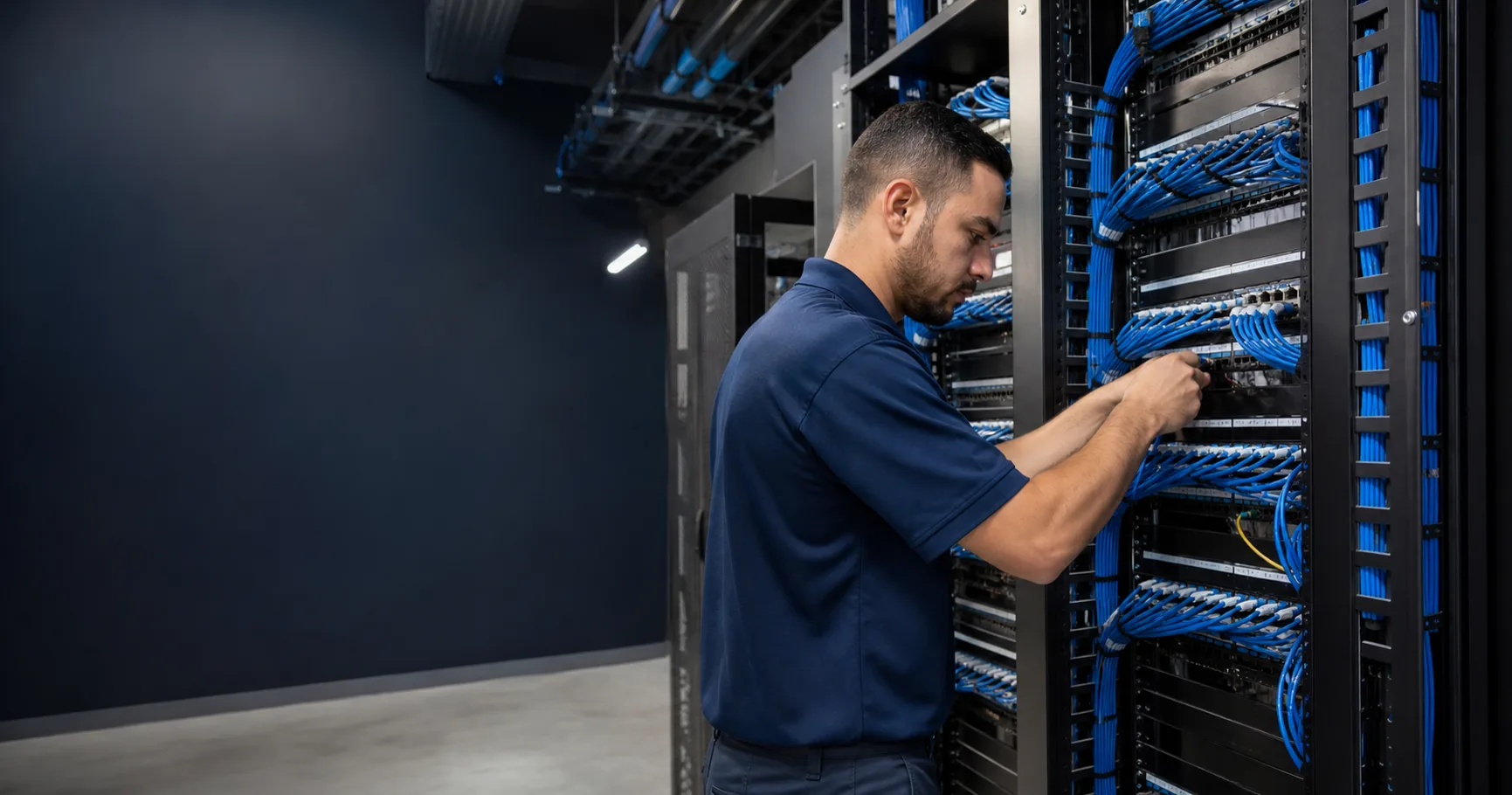
Serving All of San Jose
SRS Networks deploys enterprise network infrastructure across the entire San Jose metro and surrounding areas - one partner, one standard.
Industries We Serve
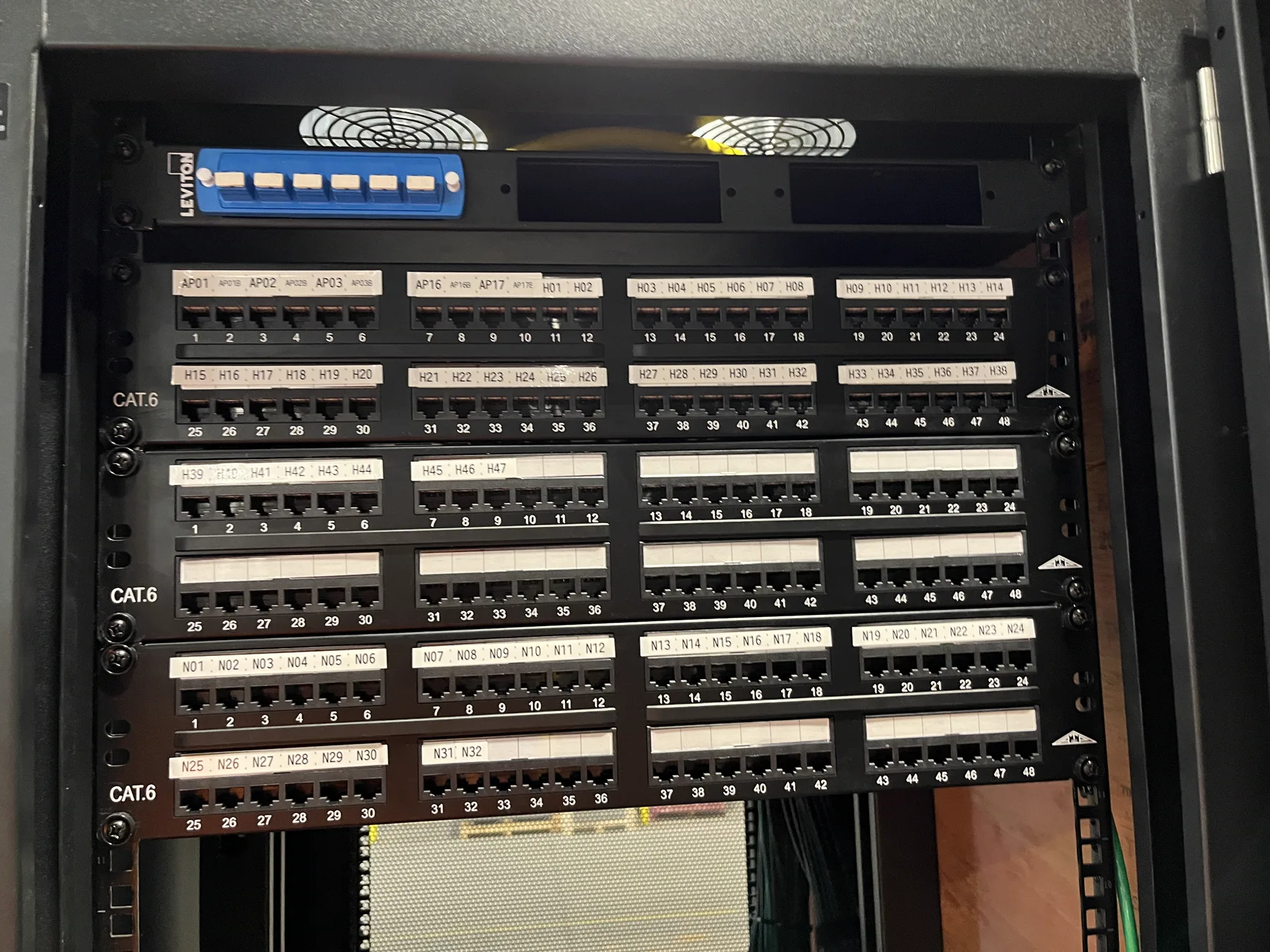
Areas We Serve in San Jose
Explore More from SRS Networks
Plan more services for your San Jose sites
Explore installation, site infrastructure and rollout support. Service details explain the work involved; include your site address, access requirements and schedule when requesting a scope.
Start with structured cabling and WiFi deployment for the installation at your sites. Review commercial WiFi installation for platform requirements and acceptance. For work repeated across locations, use the nationwide technology rollout program to plan the pilot, staging and site handover.
Cabling and fiber
Network deployment
Wireless
Security, AV and retail technology
Data center and site infrastructure
Field services and rollout delivery
Senior living technology
RTLS installation and planning
Common Questions About Data Cabling in San Jose
Schedule a Deployment in San Jose
Whether you need a single-site buildout or a multi-location rollout across San Jose, SRS Networks is your deployment partner.