
Fiber to the Building for Commercial Properties
The ISP runs fiber to your entrance facility and stops. What happens between the demarc and every floor above it determines whether your tenants and residents actually experience the bandwidth they're paying for.
SRS Networks engineers and installs fiber distribution from entrance facility to the scoped floors, with capacity selected for the approved applications, optics and distances. Future upgrades require a new design review.
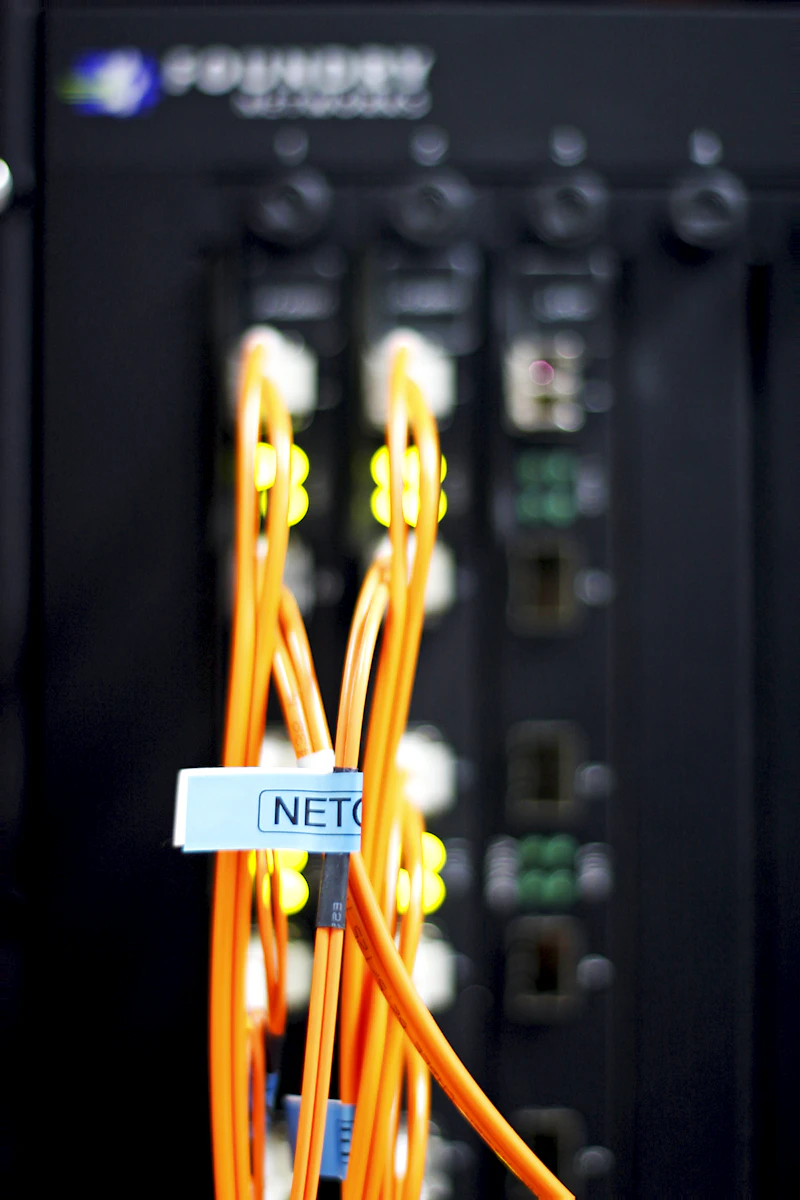
Define responsibility and acceptance before deployment
Your network owner approves cable type, optics, loss budget and the carrier handoff. The work order identifies surveyed pathways, installed quantities, agreed measurements and closeout records. Available service capacity and future upgrades depend on the carrier and active equipment as well as the installed fiber.
The ISP Stops at the Entrance Facility
Copper infrastructure wasn't designed for modern bandwidth demands. Without a purpose-built fiber distribution network inside the building, the ISP connection never reaches the floors that need it.
Copper Can't Deliver Modern Bandwidth
Twisted-pair copper infrastructure installed for telephone service in the 1990s wasn't designed for gigabit internet, IP video, and cloud applications. The physical medium is the ceiling - and tenants are hitting it.
Building Riser Was Designed for Telephone Only
Most building risers were conditioned for telco cable and have no pathway for fiber. Getting fiber from the entrance facility to upper floors requires planning, pathway work, and expertise the original builders never anticipated.
ISP Won't Run Fiber Past the Demarc
Internet service providers deliver fiber to the building entrance and stop. Getting that signal distributed to every floor and tenant space is the building owner's responsibility - and most aren't equipped to handle it.
Tenant Complaints About Speed
A speed complaint can involve the carrier, active equipment, client devices or building cabling. Measure the relevant paths before deciding whether fiber distribution is the required change.
No Capacity for Future Bandwidth Growth
Copper bandwidth ceilings don't grow. A fiber distribution network installed today provides capacity selected for the approved optics, distances and application requirements; future upgrades need a new design review.
Fiber From Entrance to Every Floor. Built to Last 20 Years.
SRS Networks designs and installs fiber distribution networks inside buildings - from the entrance facility buildout through high-count riser backbone to floor-level distribution. Scoped links receive the agreed measurements, as-built drawings and closeout records.
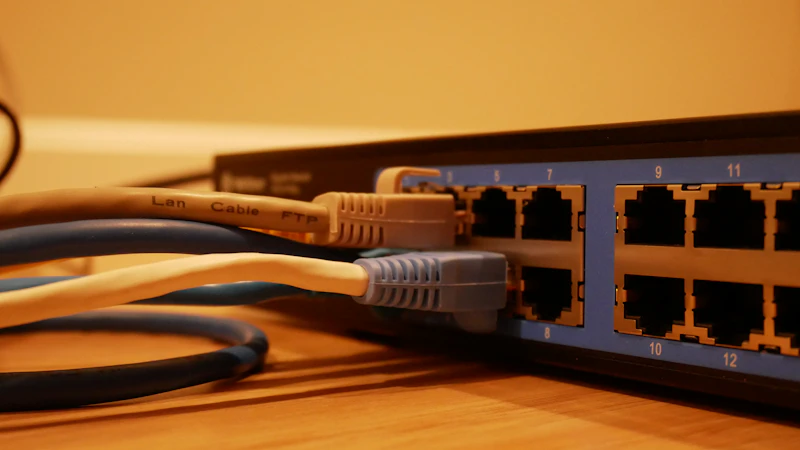
Survey Through Documented Acceptance
SRS Networks handles every phase of the FTTB project - from pathway assessment and entrance facility design through riser installation, floor distribution, and agreed fiber measurements and records at closeout.
Building Survey & Pathway Design
We assess the existing riser infrastructure, entrance facility space, and floor distribution pathways before designing the fiber network. Survey findings and unresolved pathway assumptions are recorded before installation.
Entrance Facility & Riser Buildout
The entrance facility is where the ISP hands off to your building. We build out proper termination infrastructure, organized cable management, and a high-count riser backbone that serves every floor with capacity to grow.
Fiber Distribution to Each Floor
From the riser, fiber is distributed to each floor's telecommunications room and to individual tenant spaces where required. Every run is properly routed, protected, and terminated with labeled, organized infrastructure.
Testing & Closeout Records
The work order defines continuity and loss measurements, with OTDR traces where specified, against the approved acceptance limits. Test reports are delivered as part of the project close-out package - giving you documentation for future maintenance and warranty claims.
Legacy Copper Distribution vs. SRS Fiber to the Building
What changes when a building's internal distribution moves from legacy copper to a purpose-built fiber plant.
FTTB for Every Property Type
SRS Networks installs fiber distribution networks for commercial and residential properties where bandwidth delivery to every floor and tenant space is a requirement.
Class A Commercial Buildings
Office towers and Class A commercial properties that need to offer high-speed connectivity as an amenity. Specify the floor links, optics and carrier handoff against the required capacity and measured loss limits.
Multi-Dwelling Residential
Apartment buildings, condominiums, and student housing that need to provide high-speed internet as a resident amenity. Fiber to each unit enables gigabit and multi-gigabit service without copper limitations.
Mixed-Use Properties
Properties with retail on lower floors and residential or office above - each with different bandwidth requirements and separate service relationships. A purpose-built fiber plant serves them all cleanly.
Data-Intensive Tenants
Legal firms, financial services tenants, healthcare practices, and technology companies that require high-bandwidth, low-latency connectivity to run their operations. Fiber distribution is a prerequisite, not an upgrade.
Fiber Installation With a Defined Handoff - Test Records to Review.
SRS Networks has installed fiber distribution in buildings across the 48 contiguous states, Alaska, and Hawaii. The agreed survey informs the design. The assigned crew installs the scoped links and delivers the required measurements, labels and as-built records. Future capacity changes need review against the installed fiber and active equipment.
Explore More from SRS Networks
Get Fiber to Every Floor. Not Just the Entrance.
Your ISP delivers fiber to the building entrance. We take it from there - through the surveyed riser and scoped floor or tenant routes, with agreed test records and as-built documentation for the building owner to review at handoff.