
Outside Plant Cabling for Campus Networks
Connecting buildings across a campus or property isn't an indoor cabling job. OSP work connects outdoor endpoints through a surveyed route, rated cable and agreed installation methods. Define permit, utility, civil-work and testing responsibilities before scheduling.
SRS Networks offers outside plant cabling within campus and multi-site deployment programs. The work order defines the pathway, cable placement, splicing, required tests and as-built records, including any third-party work.
SRS Networks is a nationwide IT infrastructure deployment partner headquartered in South San Francisco, California, serving multi-site enterprises across the 48 contiguous states, Alaska, and Hawaii since 1996. OSP cabling is offered alongside our structured cabling, technology rollout and WiFi work. In-house W-2 leads and a vetted subcontractor bench coordinate the project-specific scope and acceptance requirements.
Why OSP Projects Go Wrong
Outside plant work is one of the most punishing infrastructure categories to get wrong. Failures are expensive to diagnose, difficult to repair, and often traced back to shortcuts taken during the original installation.
No Inter-Building Connectivity Plan
Organizations add buildings, portables, or outbuildings over time without any plan for how to connect them. The result is a patchwork of workarounds - wireless bridges, consumer routers, and temporary runs that never get replaced.
Weather Exposure Destroying Cabling
Cable that wasn't designed for outdoor environments degrades fast. UV exposure, temperature swings, moisture ingress, and physical abrasion destroy indoor-rated cable pulled through conduit or draped across buildings.
No Pathway Documentation
When underground cable gets cut by a landscaping crew or fails, nobody knows where it runs, what depth it's at, or where the manholes are. Repairs turn into full excavation projects because nobody ever documented the route.
Trenching Coordination Nightmares
OSP work requires coordination with utilities, permitting offices, excavation crews and inspection authorities. Unassigned approval and utility-locate responsibilities can delay the construction window or leave route risks unresolved.
Damaged or Improperly Installed Runs
Fiber spliced without proper hardware, direct-buried cable without adequate depth, conduit without pull boxes at appropriate intervals - field errors in OSP work create maintenance nightmares that don't show up until years later.
OSP Work Managed End-to-End by One Accountable Team.
Agree the route survey, permit and utility responsibilities, civil methods, cable installation and closeout before mobilization. The proposal names the party responsible for each task, required credentials and approvals, and how changes or access delays affect the schedule.

Full Outside Plant Installation Coverage
The project scope connects route planning, civil responsibilities, cable placement and specified testing to the agreed handoff records.
Route Survey & Planning
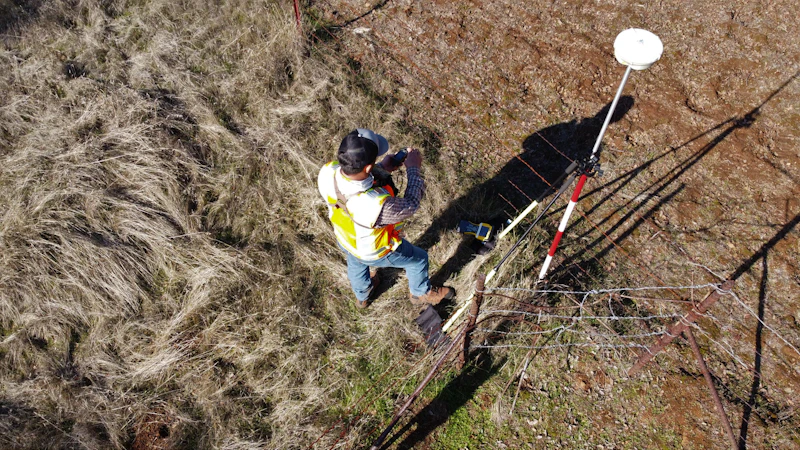
The survey establishes endpoints, proposed routes, access and known pathway conditions. The work order assigns public and private utility-locate responsibilities and records the required depth, conduit sizing and access points before excavation is scheduled.
Trenching, Boring & Conduit
An OSP scope can include open-cut trenching, directional boring, conduit, backfill and surface restoration. The proposal identifies who performs each civil task, the required credentials, permit and utility dependencies, and the conditions for approving the route and restoration.
Cable Installation & Splicing
Specify the outdoor-rated cable, enclosures, installation and splice methods for the actual environment. The project scope identifies the responsible crew, required qualification records and the cable, strand and splice identifiers to retain at handoff.
Testing & Certification
Agree the loss budget, fiber measurements, copper link model and test limits before installation. Closeout matches the scoped cable IDs to the required results, corrections and retests; unresolved exceptions require the agreed approval rather than an unconditional pass promise.
Compare OSP Route and Acceptance Requirements
Use the surveyed route and agreed work order to compare installation methods, required tests, permits and closeout records.
Where OSP Cabling Solves Real Problems
SRS Networks executes OSP projects for campuses, commercial properties, and organizations that need reliable, permanent connectivity between structures - not a wireless band-aid that fails in bad weather.
Campus Inter-Building Connectivity
University and corporate campuses with multiple buildings require reliable, high-bandwidth fiber runs between facilities. SRS designs and installs the backbone infrastructure that ties the campus together.
Building-to-Demarc Fiber Runs
When the carrier demarc is at the property boundary or in a separate building, SRS handles the OSP fiber run from the demarc to the MDF - with proper conduit, splice enclosures, and documentation.
Parking Lot Camera Infrastructure
Parking structures and surface lots need OSP-rated cable runs for IP cameras, access control and intercom systems. The SRS proposal defines cable pathways from the building to each endpoint and identifies any separate pole, foundation or civil work.
Outdoor Wireless Backhaul Cabling
Outdoor access points and point-to-point wireless links require OSP-rated Ethernet or fiber backhaul to the building network. SRS installs the cable pathways that keep outdoor wireless infrastructure on a wired backbone.
Assign responsibilities from Permits to Test Records.
Review the permit and utility status, approved route, civil-work responsibilities and required tests before scheduling installation. The work order identifies approvals, correction owners and closeout deliverables. The figures below describe SRS company-wide experience, not OSP-specific project counts or measured OSP performance.
Explore More from SRS Networks
Outside plant cabling scope and acceptance questions
Outside plant cabling connects outdoor endpoints, building entrances and communications spaces through rated copper or fiber cable and agreed pathways. A project can include route survey, conduit or aerial access, cable placement, splicing, tests and as-built records. The work order identifies which tasks are included and who supplies any civil construction or third-party work.
SRS Networks serves the 48 contiguous states, Alaska, and Hawaii. OSP is offered within campus and multi-site enterprise deployment programs alongside structured cabling, WiFi and other physical technology work. Each address requires its own access, permitting, utility and crew review; nationwide coverage does not establish identical construction conditions or licensing at every site.
The proposal assigns the civil contractor, permit applicant, property-access owner and public/private utility-locate responsibilities before work is scheduled. Review the required qualifications, insurance, approvals and restoration scope for the project address. Do not assume a public 811 ticket covers private utilities or that one party's permit covers every task.
Review the endpoints, property permissions, existing ducts or pole access, utility conflicts and site requirements during the survey. The approved route and installation method depend on those findings and the applicable permits. Record unverified conditions as estimate assumptions until the route and responsibilities are confirmed.
Agree the fiber loss budget, required loss measurements and OTDR records, or the copper link model and test limits, before installation. Match the scoped cable and strand IDs to the results, review failed measurements and retests, and record accepted exceptions. Those tests establish the agreed handoff condition; they do not guarantee a lifespan or prevent every future fault.
Specify route and building-entry drawings, cable and strand schedules, splice/enclosure records, labels and the required test results. Include permit or inspection records where required, unresolved exceptions, correction ownership and the agreed signoff. Confirm the record format and responsibility for keeping later changes current before award.
Send endpoint addresses, route drawings, cable or strand counts, known pathway conditions and target work windows to partners@srsnetworks.com or call (866) 224-3636. Identify access restrictions, permit and utility status, civil-work boundaries and acceptance requirements. Survey findings, materials and approval lead times determine the proposed schedule; a requested date is not a guaranteed mobilization date.
SRS offers OSP within campus and multi-site enterprise deployment programs. Continuous long-haul carrier or rural utility route construction requires a contractor built for that civil workload. Keep that procurement distinct from an enterprise building-to-building cable scope and use the existing OSP contractor comparison to review the different program types.
Compare campus programs and construction-scale route work in the outside plant fiber contractor comparison.
Ready to Connect Your Buildings the Right Way?
Send endpoint addresses, route drawings and access windows to scope a campus or inter-building OSP installation. Agree the civil and utility responsibilities, required tests and closeout records before mobilization. Long-haul carrier route construction requires a contractor built for that scope.