
Commercial Greenhouse Networking
for humidity, glass, metal, and distance.
Commercial greenhouse networking requires more than adding outdoor access points. High humidity, washdown, glass, metal framing, dense plant canopy, seasonal layout changes, and separated outbuildings affect RF and cabling. Use fiber or point-to-point backhaul between buildings, rated field hardware, segmented sensor networks, and validation at representative crop density.
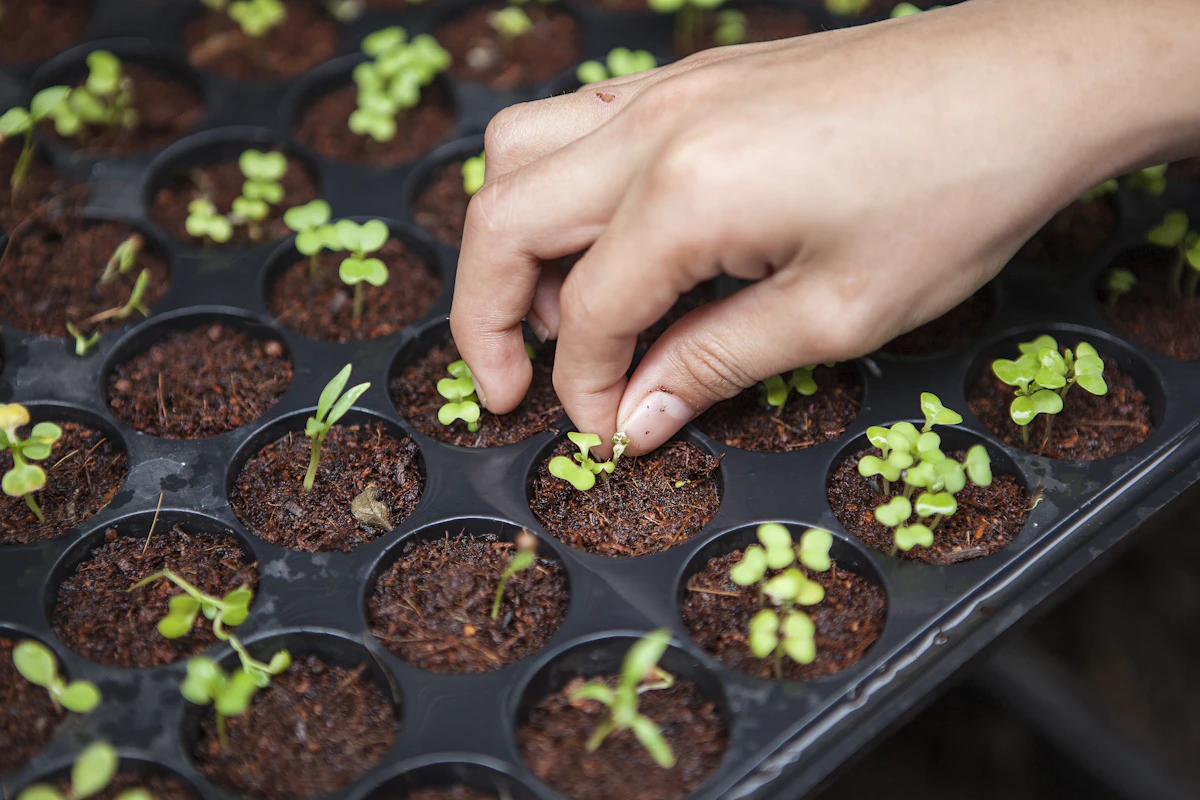
Humidity, long rows, glass, metal, and irrigation equipment shape greenhouse network design
SRS Networks is a nationwide IT infrastructure deployment partner headquartered in South San Francisco, California, serving multi-site enterprises across the 48 contiguous states, Alaska, and Hawaii since 1996. This page turns field-delivery requirements into a scope, comparison, and acceptance record a buyer can use.
Greenhouse connectivity by area
| Area | Typical devices | Deployment approach |
|---|---|---|
| Growing bays | Sensors, tablets, cameras, and controls | Rated WiFi and protected drops |
| Head house | Servers, gateways, switching, and staff devices | Controlled MDF/IDF and fiber aggregation |
| Remote structures | Cameras, irrigation controls, and weather stations | Fiber or engineered wireless bridge |
| Loading and yard | Scanners, cameras, and vehicle connectivity | Outdoor coverage and surge protection |
Survey with the crop present
Plant mass and moisture change RF. Validate at representative canopy height and density instead of accepting an empty-bay survey.
Use fiber between electrical environments
Fiber avoids ground-potential and surge problems across long runs and separate structures. Where trenching is impractical, use an engineered point-to-point link with line-of-sight and mounting documented.
Keep controls isolated
Environmental controls, irrigation, cameras, vendors, guests, and business devices should not share an unrestricted network. Define segmentation before the first gateway is installed.
When this is not the right approach
A single small greenhouse next to an office may be served by one properly placed access point. Survey first; do not build a campus network where a documented local extension will work.
Straight answers
Commercial greenhouse networking requires more than adding outdoor access points. High humidity, washdown, glass, metal framing, dense plant canopy, seasonal layout changes, and separated outbuildings affect RF and cabling. Use fiber or point-to-point backhaul between buildings, rated field hardware, segmented sensor networks, and validation at representative crop density.
Start with the operating use case, affected sites, existing conditions, quantities, schedule, access rules, acceptance owner, and required evidence. Resolve unknowns through a survey or carry them as explicit allowances instead of letting each bidder make a different assumption.
Require the records that let another qualified team understand and support the work: labeled photos, device and port schedules, test results, approved exceptions, configuration or commissioning evidence where applicable, and signed site acceptance in a consistent folder structure.
Compare line-by-line scope compliance before comparing price. Score the field-delivery plan, named responsibility, schedule, testing, documentation, escalation, COI and licensing evidence where required, commercial exceptions, unit rates, and normalized total.
Yes. SRS Networks coordinates infrastructure deployment across the 48 contiguous states, Alaska, and Hawaii using in-house W-2 field leads, a vetted subcontractor bench, six offices, dual-coast staging, and the Project Command Center for status and closeout visibility.
A single small greenhouse next to an office may be served by one properly placed access point. Survey first; do not build a campus network where a documented local extension will work.
No certification should be inferred from product or technology experience. SRS publishes a manufacturer authorization, company credential, license, or individual certification only after its active status has been verified and when it applies to the project.
Email partners@srsnetworks.com with the site count, target geography, desired schedule, available drawings or inventory, and the current scope document. Call (866) 224-3636 when the schedule or access window needs immediate discussion.
Put a field-executable scope in front of the crew
Email the site count, geography, schedule, and current documents. Cheryl routes the request to the right deployment lead.
Schedule a Greenhouse Survey