
Break Free From Hardware-Defined Networks.
Network virtualization depends on compatible physical equipment, software and operating processes. Your platform owner approves the architecture and licenses; the field installation must match the equipment schedule and connection plan.
SRS Networks installs the physical equipment and cabling in your approved virtualization plan. Your platform provider owns SDN, NFV and overlay engineering.
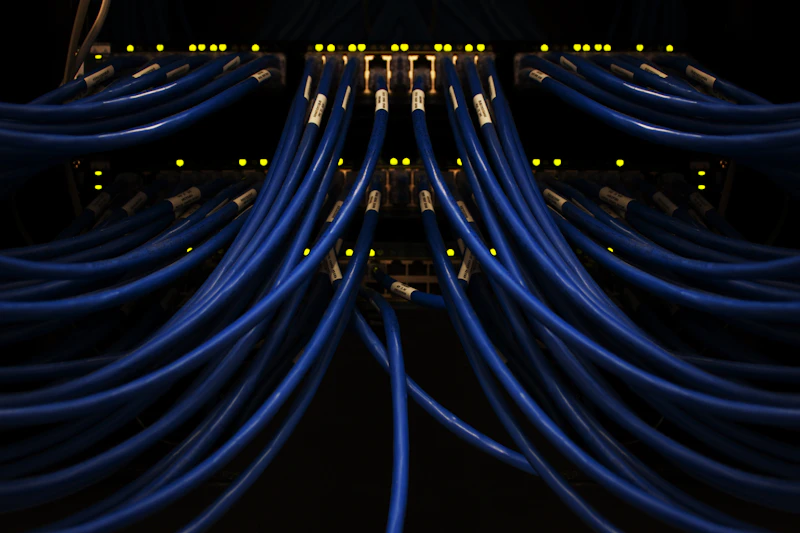
Define responsibility and acceptance before deployment
Your platform owner approves the controller, supported equipment, software versions, licenses and network policies. SRS follows the approved physical installation work order. Your appointed platform provider owns software configuration, test cases and rollback responsibilities. Provisioning time, compatibility and savings depend on that approved platform and operating process.
Why Hardware-Defined Networks Hold You Back
Physical network infrastructure was built for a world where change was infrequent and predictable. Today's infrastructure demands flexibility that hardware-bound networks simply cannot provide.
Rigid, Hardware-Dependent Networks
Traditional networks are built into the hardware. When business requirements change, you're waiting on procurement cycles, change freeze windows, and physical cable pulls to make it happen.
Slow Provisioning of New Network Segments
Spinning up a new VLAN, subnet, or isolated environment for a project used to take days or weeks. In a hardware-defined network, every change requires touching physical gear across multiple devices.
Expensive Dedicated Appliances for Every Function
A dedicated firewall here, a load balancer there, a separate router for every segment. The hardware sprawl is costly, inflexible, and creates single points of failure throughout the infrastructure.
No Ability to Test Changes in Isolation
When the only network is production, testing a routing change or security policy means risking a live outage. There's no way to validate changes against a mirrored environment before deployment.
Vendor Lock-In With No Flexibility
Proprietary hardware from a single vendor means upgrade cycles, licensing costs, and feature roadmaps that you have no control over. Switching vendors means forklift upgrades and network redesigns.
A Network That Moves as Fast as Your Business Does.
SDN, NFV and VXLAN depend on a physical network that matches the platform design. SRS installs specified equipment, patches approved uplinks and records the physical handoff. Your appointed provider designs the virtual network, configures software and validates platform behavior before production acceptance.
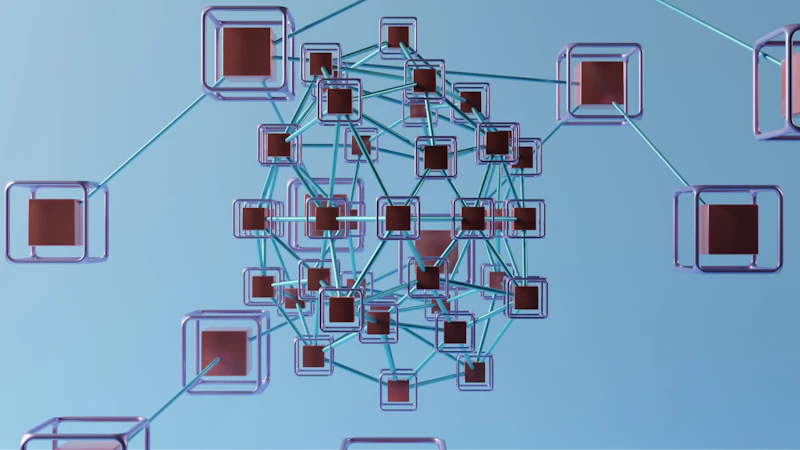
Physical Installation for Network Virtualization
SRS delivers the physical work package below. Your platform provider retains software architecture, configuration, licensing and ongoing operations.
Controller Hardware Installation
SRS installs the specified controller hardware and physical connections. Your platform provider selects and sizes the controller, licenses the software, and configures policies and APIs.
NFV Host Installation
We rack the approved compute and network equipment for your NFV platform. Your appointed provider owns hypervisors, virtual firewalls, load-balancer software and virtual router configuration.
Physical Network Connections
We install and label the physical connections in your approved port map. VXLAN design, tunnel configuration, segmentation policy and overlay validation remain with your network provider.
Test-Lab Hardware Readiness
SRS installs the specified lab hardware and cabling. Your development or platform team owns the virtual topology, snapshots, rollback procedures and software test results.
Hardware-Defined vs. Virtualized Network Infrastructure
These are platform capabilities to review with your appointed software provider. Availability depends on the approved design, licenses and hardware; SRS supplies the assigned physical installation, not software operations.
Where Network Virtualization Delivers Real ROI
From data center modernization to multi-tenant service delivery, network virtualization solves infrastructure problems that hardware alone cannot address.
Data Center Modernization
Legacy data centers with rigid physical topologies become agile, software-defined environments. Provisioning time depends on the approved platform, automation and change process. Hardware sprawl is replaced by scalable virtual functions.
Multi-Tenant Service Providers
MSPs and service providers use network virtualization to deliver isolated, per-customer environments on shared infrastructure. VXLAN overlays ensure tenant separation without dedicated hardware per client.
Dev/Test Network Provisioning
Development and QA teams need isolated network environments that match production. A supported overlay can provide an isolated test network - complete with its own firewalls, routing, and security policies.
Branch Office Consolidation
Replace dedicated appliances at every branch with centrally managed virtual network functions. NFV reduces branch hardware costs and gives central IT full control over distributed network policies.
We Install the Physical Network Your Approved Platform Requires.
Your platform provider resolves overlay MTU, traffic policy and software capacity requirements. SRS follows the resulting equipment and connection schedule, records installation exceptions and hands the physical network to the appointed acceptance owner. Company-wide deployment totals below are not SDN or NFV project credentials.
Explore More from SRS Networks
Ready to Modernize Your Network Infrastructure?
Bring the approved equipment schedule, rack plan and port map. We will scope the physical installation and coordinate its handoff with your platform provider. Software architecture, configuration and operations stay with that provider.