
VoIP Phone Systems and Voice Infrastructure
Dropped calls, choppy audio, and aging PBX hardware aren't just annoying - they directly impact how your business communicates with customers and operates internally.
SRS Networks installs voice infrastructure under your approved design, with documented handoff to your network engineer and voice provider.

VoIP and UCaaS deployment under an approved design
SRS provides the onsite installation for your selected voice platform: approved cabling and patching, handset placement, equipment mounting, power checks and a site inventory. Before dispatch, the work order names the platform administrator and defines the installation tasks, test calls and acceptance records.
Your voice provider or IT owner retains dial-plan design, licensing, number porting, emergency-calling configuration, security policy and ongoing administration. Any configuration or specialist commissioning must be assigned explicitly; physical installation does not establish those capabilities. Test-call observations are recorded for the responsible owner to accept.
Provide the approved handset schedule, site access and cutover window with your deployment scope request. Hosted phone subscriptions and plan pricing belong to the provider identified below.
Why Business VoIP Fails Without the Right Network
Voice quality depends on the endpoint, local network, carrier and platform. Agree which owner investigates each layer and what field evidence is needed before changing equipment.
Dropped Calls and Voice Jitter
Dropped calls, echo and jitter can have endpoint, network, carrier or platform causes. Your voice and network owners define the diagnostic procedure; onsite observations help them isolate the issue.
Aging PBX Systems Holding You Back
An older PBX may face capacity, support or feature limits. Ask the voice provider to compare reuse, expansion and replacement before approving the equipment removal and installation schedule.
No Quality of Service Configuration
Voice and data may compete for constrained network capacity. Your network engineer determines whether QoS or capacity changes are appropriate and approves the configuration and validation procedure.
No Redundancy or Failover Planning
An internet outage can interrupt calling paths that depend on that connection. Ask the voice provider which alternate paths, endpoint behavior and failover checks apply to your selected service.
Difficult Multi-Site Extension Management
Managing dial plans, extensions, and user moves across multiple office locations becomes a full-time job without centralized VoIP administration.
Physical VoIP Deployment With Defined Network Readiness.
SRS Networks checks the assigned physical site conditions against your approved voice deployment plan. Your network engineer approves capacity and configuration changes; the platform administrator controls provisioning and service release.
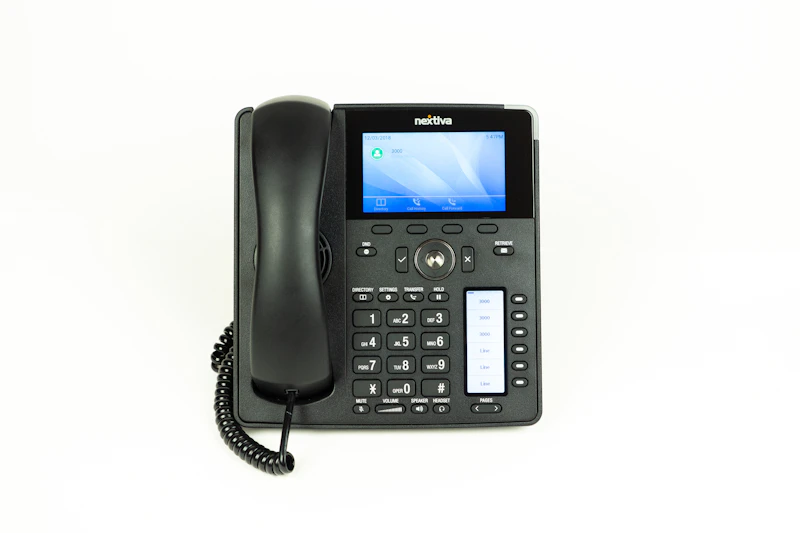
Physical Tasks for Your VoIP Deployment
From approved site readiness checks to handset installation, SRS Networks coordinates the assigned physical work and handoffs in your enterprise VoIP buildout.
Network Readiness Assessment
We document the site conditions and field checks specified by your approved deployment plan. Your network owner evaluates capacity and approves any engineering changes.
Approved Voice Infrastructure Installation
We install the physical voice infrastructure specified by your design owner. VLAN, SIP trunk and dial-plan decisions remain with the responsible network or voice engineer.
Voice Acceptance Coordination
The responsible engineer defines QoS policies and acceptance criteria. Our crew records the agreed field observations and routes exceptions to that owner before signoff.
Handset & Endpoint Deployment
IP handsets and room equipment are placed, connected and documented against the approved schedule. The platform administrator owns provisioning, software settings and user training unless separately assigned.
Undefined Tasks vs. an Agreed VoIP Installation
Use the agreed site scope to distinguish physical installation records from the configuration, service availability and acceptance decisions retained by your providers.
Built for How Your Business Communicates
Whether you're replacing a 20-year-old PBX or deploying VoIP across a new multi-site environment, SRS Networks has the experience to get it right.
Corporate Offices
Coordinate the physical migration from legacy PBX equipment to the platform selected by your voice provider, with approved equipment and removal schedules.
Call Centers
Sequence handset and cabling installation around the call center maintenance window. The platform engineer approves capacity, routing and acceptance before service release.
Multi-Location Businesses
Use a consistent installation schedule, labeling standard and handoff package across branches under one approved voice design.
Healthcare Facilities
Coordinate physical installation with facility access rules and the responsible clinical and IT owners. They approve privacy, security and clinical acceptance requirements.
Check the Site Readiness - Then Deploy the Phones.
Identify installation dependencies before dispatch: approved ports, cabling, power and equipment schedules. SRS records field exceptions for your network and voice owners to resolve before they authorize service release.
Explore More from SRS Networks
Questions to settle before deployment
What should we provide for a comparable VoIP installation estimate?
Provide the site list, approved handset and room-equipment quantities, placement schedule, existing cable and switch-port records, access restrictions and proposed work windows. Identify who supplies devices and who approves the voice design. SRS scopes the physical work from those inputs; service plans, licenses and carrier charges are separate provider decisions.
What must be ready before installers arrive with the phones?
Have your platform administrator confirm model compatibility, required licenses and the approved device-to-user or extension schedule before dispatch. Your network owner should release the specified ports, power and cabling for installation. Agree how missing equipment or unavailable provisioning support will be recorded; use the approved secure project channel for sensitive information rather than a public quote form.
Who authorizes the cutover and decides whether to roll back?
Name the voice-provider or customer cutover lead before scheduling the work. That owner approves service release, stop conditions and the rollback procedure, including who must be available during the window. SRS coordinates the assigned physical moves and records installation status; a completed handset placement does not itself authorize a number port or service change.
What installation records should we receive before accepting the work?
Agree a handoff checklist covering handset locations, model or serial records, cable and port labels, approved field observations and unresolved exceptions. Your voice administrator defines any call or extension checks and evaluates the results against the agreed criteria. Recorded observations support acceptance of the assigned installation scope; they do not certify future carrier availability or every call path.
What changes the cost of an onsite phone deployment?
The estimate depends on device counts, existing cabling condition, new drops or patching, occupied-site access, work windows, travel and the number of coordinated visits. Agree how readiness failures, changed quantities and authorized revisits will affect scope before mobilization. Hosted subscriptions, software licenses and ongoing administration should be priced with their responsible providers.
Can we reuse existing handsets and cabling, and who handles removed equipment?
Your platform and network owners decide whether the existing models and links meet their approved requirements. Identify which assets are reused, replaced or held for review in the site schedule. SRS can scope the assigned placement, reconnection and inventory work; agree return, storage or authorized disposal instructions before equipment is removed.
Who handles number porting, emergency-calling settings and phone-system configuration?
The authorized voice provider or customer administrator owns number porting, dial plans, SIP settings, licensing and emergency-calling configuration and validation. SRS supplies the agreed physical installation and field records under that design. The responsible provider defines its approved validation procedure and acceptance authority; do not treat an installer handoff as approval of those settings.
Does physical installation include hosted phone service or ongoing support?
A field installation order covers the agreed onsite tasks and handoff, not a hosted subscription or ongoing phone-system administration. Name the carrier, platform administrator and post-installation support contact in the project plan. Ask the responsible service provider about plans, monitoring and service commitments; any separately assigned follow-up field work needs its own scope.
Need hosted phone service as well as deployment?
Explore VoIP Services Now for hosted business phone service, number porting, and mobile and desktop calling. For multi-location deployments, onsite installation can be coordinated through SRS Networks' deployment teams. Request phone-service plans and pricing directly from VoIP Services Now; contact SRS Networks for enterprise deployment scope.
Explore VoIP Services Now business phone serviceReady for a Phone System That Actually Works?
If your voice quality is suffering or you're still running legacy PBX hardware, we can install your approved voice infrastructure and document the handoff.