
Trade Secret Security Infrastructure
turn approved access rules into field requirements.
Physical security infrastructure can support an organization's controls around confidential work areas. The owner first defines the protected spaces, authorized users, and evidence requirements. SRS installs the approved device and network infrastructure. Cameras, cabling, or access devices alone do not establish trade-secret protection; legal, personnel, and information-security decisions require their respective owners.
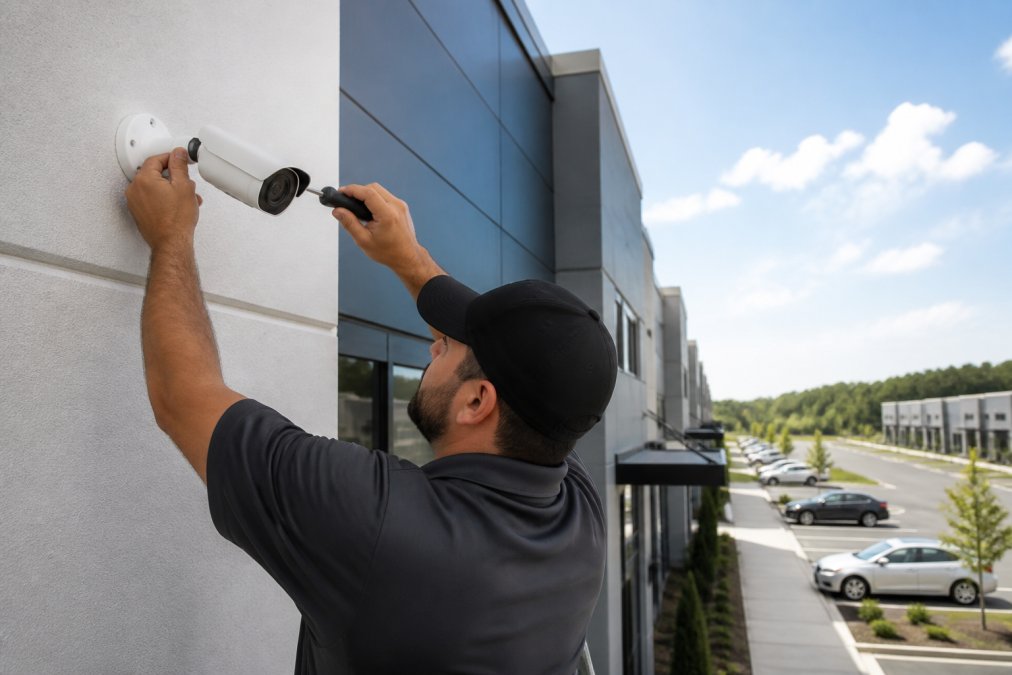
Install the approved physical controls and record the handoff
SRS Networks is a nationwide IT infrastructure deployment partner headquartered in South San Francisco, California, serving multi-site enterprises across the 48 contiguous states, Alaska, and Hawaii since 1996. This page turns field-delivery requirements into a scope, comparison, and acceptance record a buyer can use.
Assign responsibility before installing equipment
| Decision | Field implication | Owner |
|---|---|---|
| Restricted areas and authorized access | Reader locations, pathways and network connections | Security and facilities |
| Camera purpose and privacy boundaries | Approved views, mounting and PoE | Security and privacy owner |
| Retention and access to records | Storage and network requirements | Information security and counsel |
| Installation acceptance | Test evidence, labels and approved exceptions | Project acceptance lead |
Start with the boundary
Identify the rooms, cabinets, entrances, and shared areas in scope. Document which doors and networks already have approved controls. A device count without an access policy does not define a security installation.
Separate physical work from policy
The organization determines access permissions, monitoring purpose, confidentiality procedures, and retention policy. The deployment package translates approved decisions into device positions, cable schedules, power requirements, and tests. Resolve responsibility for software permissions before commissioning.
Make exceptions visible
Record shared entrances, landlord-controlled doors, areas outside the approved camera views, and legacy equipment that will remain. Keep credentials out of general closeout documents. Deliver sensitive configuration records through the customer's approved channel.
Use a reviewable acceptance package
Require a device inventory, labeled installation photos where permitted, cable test reports, and a list of unresolved exceptions. Ask the security owner to verify permissions and intended operation separately. Infrastructure evidence supports operational review; it is not a legal opinion about whether particular measures are sufficient.
Primary technical references
Use the current project specification, adopted code, approved design, and manufacturer instructions for the final decision. These primary references explain the testing and planning basis used in this resource.
When this is not the right approach
SRS is not the decision-maker for legal protection, employee confidentiality obligations, surveillance policy, or incident investigations. Establish those requirements with the appropriate advisers before commissioning field work.
Straight answers
Physical security infrastructure can support an organization's controls around confidential work areas. The owner first defines the protected spaces, authorized users, and evidence requirements. SRS installs the approved device and network infrastructure. Cameras, cabling, or access devices alone do not establish trade-secret protection; legal, personnel, and information-security decisions require their respective owners.
Start with the operating use case, affected sites, existing conditions, quantities, schedule, access rules, acceptance owner, and required evidence. Resolve unknowns through a survey or carry them as explicit allowances instead of letting each bidder make a different assumption.
Require the records that let another qualified team understand and support the work: labeled photos, device and port schedules, test results, approved exceptions, configuration or commissioning evidence where applicable, and signed site acceptance in a consistent folder structure.
Compare line-by-line scope compliance before comparing price. Score the field-delivery plan, named responsibility, schedule, testing, documentation, escalation, COI and licensing evidence where required, commercial exceptions, unit rates, and normalized total.
Yes. SRS Networks coordinates infrastructure deployment across the 48 contiguous states, Alaska, and Hawaii using in-house W-2 field leads, a vetted subcontractor bench, six offices, dual-coast staging, and the Project Command Center for status and closeout visibility.
SRS is not the decision-maker for legal protection, employee confidentiality obligations, surveillance policy, or incident investigations. Establish those requirements with the appropriate advisers before commissioning field work.
No certification should be inferred from product or technology experience. SRS publishes a manufacturer authorization, company credential, license, or individual certification only after its active status has been verified and when it applies to the project.
Email partners@srsnetworks.com with the site count, target geography, desired schedule, available drawings or inventory, and the current scope document. Call (866) 224-3636 when the schedule or access window needs immediate discussion.
Put a field-executable scope in front of the crew
Email the site count, geography, schedule, and current documents. Cheryl routes the request to the right deployment lead.
Scope the Physical Installation