
Smart Building Integration and IoT Installation
HVAC, lighting controls, access control, security cameras, and IoT sensors don't belong on five separate networks. They belong on one - properly segmented, centrally managed, and built to scale.
SRS Networks designs and deploys converged smart building infrastructure that brings every building system onto a unified IP network - with the segmentation, protocol translation, and visibility your facilities team actually needs.
SRS Networks is a nationwide infrastructure deployment partner headquartered in South San Francisco, California, serving commercial sites across the 48 contiguous states, Alaska, and Hawaii since 1996. Building IoT work connects approved devices to the network and the platform owner’s acceptance process.
Plan the scope
Give every building IoT device a destination and an owner
Building IoT installation services mount and connect approved sensors, gateways and supporting network equipment. The scope is complete when each device has a recorded location, an approved connection and a witnessed data path to the building system that will use it.
SRS Networks company-wide experience
- Founded
- 1996
- Deployments
- 900+
- Sites served
- 10,000+
- Offices
- 6
Scope IoT installation around the building workflow
An occupancy sensor, environmental monitor and gateway can have different power, access and enrollment needs. List those requirements per device type. Confirm who can approve an installation change and who will validate the readings after connection.
Separate network handover from building controls
Hand over the device inventory, connection records and unresolved integration issues to both IT and facilities. Controls programming and recurring platform support should have named owners so a connected sensor does not become an unowned system.
Bring these details to the estimate
- Device models, locations and intended readings
- Power, mounting and environmental requirements
- Approved network segments and gateway configuration
- Platform owner, enrollment process and acceptance sample
What changes the price
Device density, mounting access, power availability, network changes and coordination with the building controls provider drive effort. Identify whether enrollment, calibration, platform licensing and integration work are included before comparing a per-device price.
Network connectivity does not establish sensor accuracy, safety-system compliance or application performance. Calibration, controls logic, life-safety functions and platform operations need explicit specialist ownership.
Make acceptance part of the work order
- Device identity
- Record model, serial number and installed location.
- Approved connection
- Verify the agreed gateway, network segment and permitted communication path.
- Usable reading
- Have the platform owner confirm the expected device data against the agreed acceptance sample.
Compare the evidence behind each proposal
Use these checks with the downloadable scorecard. Record the bidder's evidence and any exclusions before comparing price.
| Check | Evidence to request |
|---|---|
| Device schedule | Locations and acceptance criteria for each device type. |
| IT approval | Documented network, credential and remote-access ownership. |
| Facilities acceptance | Named platform owner and a witnessed data check. |
Opens an email with the scope checklist. Prefer a form? Send a project inquiry.
Questions to settle before deployment
What do building IoT installation services include?
The agreed scope can include device mounting, power and data connections, gateway setup support, device inventory and witnessed connectivity checks. Platform configuration and specialist commissioning must be specified separately.
Does connecting a sensor prove its readings are accurate?
No. A successful connection proves the agreed communication path. Sensor accuracy and calibration require the device or controls specialist's acceptance process.
Who should approve the IoT network connection?
The site's IT owner should approve network placement, permitted traffic and credential handling before devices are connected. Facilities and the platform provider should confirm how the data will be used.
What information is needed for an IoT installation estimate?
Provide the device schedule, intended locations, mounting and power requirements, network design, platform owner and operating-hour constraints. Identify any calibration or controls work separately.
Can existing building cabling be reused?
Survey the proposed links and confirm their suitability against the device and project requirements. Reuse depends on the actual endpoints, condition, capacity and acceptance results.
Does the installation include the IoT platform subscription?
Include platform licensing and recurring service responsibilities explicitly in the agreement. They should not be assumed to be included in a device installation price.
What should the building receive at handover?
Request device locations and identifiers, connection records, the approved acceptance results and a list of open issues with owners. Keep platform and facilities contacts with those records.
Are life-safety sensors covered by a general IoT scope?
Life-safety systems need their own approved design, qualified delivery team and acceptance requirements. A general building-network scope does not establish those capabilities.
Why Smart Buildings Stay Dumb
The systems that make a building "smart" were never designed to coexist. Each one arrived from a different vendor, speaks a different protocol, and operates in its own silo - which makes integration the hard part.
Siloed Systems on Separate Networks
HVAC runs on one isolated network. Lighting controls live on another. Access control has its own segment. Security cameras are on a fourth. These silos weren't designed to talk to each other - and they don't.
No Unified Visibility Across BMS, HVAC & Security
Facilities teams manage each system through its own interface, its own dashboard, and its own vendor portal. There's no single view of what's happening across the building at any given moment.
Proprietary Protocols That Don't Interoperate
Building systems speak BACnet, Modbus, KNX, LonWorks, DALI - and often proprietary variants of all of the above. Getting them to coexist on a shared IP network requires protocol gateways and expert configuration.
Security Risks from Unmanaged IoT on Flat Networks
When smart sensors, thermostats, and connected devices land on a flat network with no segmentation, they become an attack surface. One compromised IoT device can pivot across the entire building infrastructure.
No Scalable Architecture for New Technologies
Adding EV charging stations, occupancy sensors, or digital signage to a building that wasn't designed for convergence means bolting on new systems with no consistent framework. Every addition becomes a one-off project.
Converged Infrastructure Designed for the Whole Building.
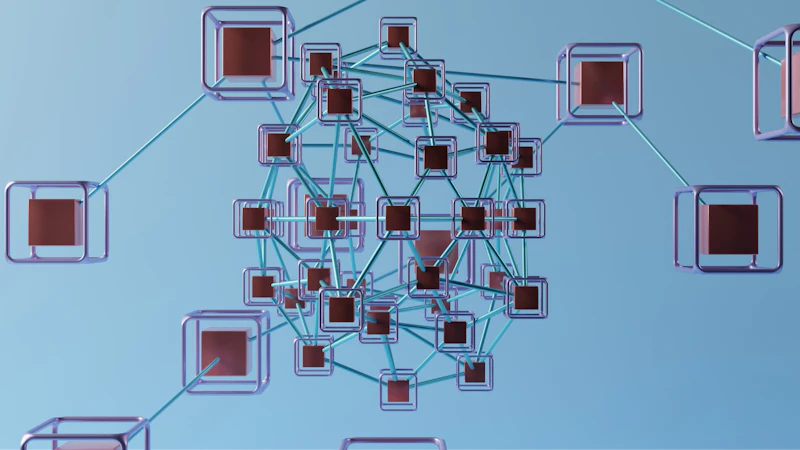
SRS Networks designs converged smart building networks from the ground up. We create segmented VLANs for each building system, deploy managed PoE switching infrastructure, configure protocol gateways that bridge legacy BMS systems to IP, and set up a unified management platform that gives your team visibility across every system in the building.
End-to-End Smart Building Network Coverage
From initial systems audit through unified management platform handoff, SRS Networks covers every phase of converging your building's technology infrastructure.
Building Systems Assessment
We audit your existing building systems - BMS, HVAC, lighting controls, access control, elevator systems, and IoT - to understand what protocols are in use and what infrastructure changes are required for convergence.
Converged Network Design
SRS designs a unified IP network architecture with properly segmented VLANs for each building system, QoS policies to prioritize critical traffic, and a management layer that provides visibility across all systems.
Integration & Protocol Translation
We deploy and configure IoT gateways that bridge proprietary building protocols to IP - so your BMS, HVAC controllers, and access control platforms can communicate over your new converged network without replacing existing hardware.
Unified Management Platform
Post-deployment, every building system feeds into a centralized network management platform. Facilities teams and IT operations get a single dashboard for network health, device status, and alert response.
Siloed Building Systems vs. SRS Converged Networks
What changes when you replace isolated, vendor-by-vendor building networks with a single converged infrastructure designed and managed by one team.
Buildings We've Connected
SRS Networks delivers smart building convergence across new construction, commercial office, healthcare, and campus environments - each with unique system requirements and integration challenges.
New Construction Deployments
Ground-up smart building projects where the network infrastructure is designed alongside the building systems from day one - ensuring full convergence without retrofit complexity.
Commercial Office BMS Convergence
Older office buildings where HVAC, lighting, and access control grew up on separate systems. SRS consolidates them onto a single converged network without replacing functional equipment.
Hospital Facility Modernization
Healthcare facilities managing HVAC, nurse call, access control, and medical IoT devices through a single converged platform - with the security segmentation required for clinical environments.
Campus Building Automation
University and corporate campuses unifying building automation across multiple structures onto one managed network - with centralized visibility and consistent standards at every building.
We Bridge IT and Facilities. Most Teams Can't.
Smart building convergence lives at the intersection of IT networking and facilities engineering. Most network integrators know the network side but don't understand BMS protocols. Most facilities contractors know the building systems but don't know how to design a proper IP architecture. SRS Networks does both.
Explore More from SRS Networks
Ready to Converge Your Building's Networks?
Whether you're integrating an existing building or designing infrastructure for new construction, we'll build a converged network that connects every system and gives your team the visibility to manage them all.