
Every Run Tested. Every Result Documented.
A basic connectivity check does not document whether the installed link meets the specified acceptance limit. Agree the measured configuration and retain the result so the receiving owner can assess the cable installation and any unresolved conditions.
SRS scopes field cabling tests against the approved link schedule, selected test limits and required result formats. Copper and fiber use their specified methods; failed or inaccessible links, correction ownership and retests remain visible in the handover record.
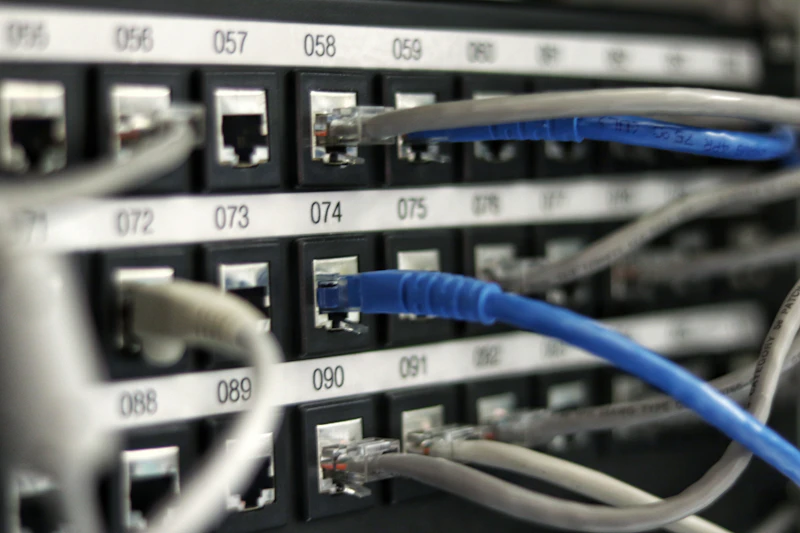
Uncertified Cable Is a Problem You Haven't Found Yet
A working link light does not document the measured configuration or required limits. Agree the tests and retain failed or untested items for the receiving owner.
Unverified Installed Links
Agree the installed-link population or audit sample. Reconcile missing results against the cable schedule rather than assume a working connection establishes acceptance.
Symptoms Without a Recorded Test Setup
Issues can involve cables, equipment or applications. Record the selected configuration and limits and refer wider diagnosis to its responsible owner.
Results Without Traceable Identifiers
Tie each result to an installed cable identifier. Record mismatched labels, inaccessible links and drawing discrepancies for resolution.
Warranty Requirements Not Confirmed
The manufacturer or project party confirms warranty eligibility, installer qualifications and submission rules. A tester brand or passing PDF alone does not issue a warranty.
Acceptance Without Exception Decisions
Name who reviews failed, missing or deferred links. Receiving files does not establish that the project, tenant or audit reviewer has accepted the installation.
Certified to Standard. Documented for the Record.
Approve the cable identifiers, test configuration, limits and instrument requirements before work. Use the specified copper tests and fiber loss or characterization methods for that scope. Retain failures and identify the approved corrective work and retest; a report must not imply unresolved or untested links have passed.
Complete Cable Certification Coverage
Define the link schedule, method, files and any diagnostic or repair tasks separately. The project owner approves the limits and handover package before field work.
Specified Cable Testing
Test approved copper or fiber links using the selected method and limits. Permanent-link, channel and optical tests measure different configurations.
Diagnostic Findings and Retests
Record failed results and observed conditions. Fault location, repairs and return visits require their assigned scope and authorization.
Agreed Result Package
Provide the agreed readable reports and native files with required instrument details. Retain failures and missing results.
Label and Record Reconciliation
Agree which labels, schedules and markups are included. Document inaccessible or untraced legacy paths without presenting them as verified.
Cabling Testing: Scope and Acceptance Evidence
Traceable test results let the receiving team compare the measured links with the approved scope. Warranty eligibility and audit acceptance remain separate decisions for their responsible parties.
When Cable Certification Matters Most
SRS Networks certifies cable infrastructure for general contractors, facility managers, IT directors, and project owners across construction, commercial real estate, and regulated industries - wherever documentation and proof of standard compliance are non-negotiable.
New Construction Handoff Verification
Agree the installed-link population, test setup and required evidence with the receiving owner. Record deviations from the specified scope before acceptance.
Tenant Improvement Validation
Identify the project installation criteria and records. The receiving party reviews tested links, failures and exceptions against that agreed scope.
Requested Audit Evidence
The responsible compliance or project owner defines evidence and review criteria. Cable results support that review; they do not establish regulatory compliance.
Existing Infrastructure Diagnosis
Agree suspected links, available baseline and diagnostic scope. Cable results can inform diagnosis; equipment, power and application checks retain their own owners.
The Right Equipment. The Right Documentation.
A useful result records what was tested, how it was measured and which limit was selected. Agree instruments, calibration evidence and file formats before dispatch. The responsible project or manufacturer party confirms warranty and review requirements; unaccepted items remain visible.
Questions to settle before deployment
What information is needed to quote cable certification testing?
Provide the site and link schedule, cable types, panel/outlet identifiers, existing reports, required test configuration and limits, access windows and acceptance contact. State whether the task is a complete installed-link test or a defined audit sample. Identify instrument, calibration and result-format requirements before dispatch.
How do permanent-link and channel tests differ?
They measure different installed configurations. The responsible designer or project specification must identify the required setup, included cords, adapters and applicable test limit. Record that choice with the results; a pass for one configuration should not be represented as a test of a different configuration.
Do copper and fiber use the same test methods?
No. Copper and fiber require methods and instruments appropriate to the specified link and acceptance criteria. The fiber test plan should distinguish measured optical loss from any separately required characterization or fault-location work. Agree the method, reference conditions and result records with the qualified technical owner.
What should the test report show?
Agree readable reports and native result files where required. Link results to the installed cable identifier and record the selected limit/configuration, test date, instrument details and calibration evidence required by the project. Include failures, untested links, correction records and final retests rather than only a pass summary.
Are failed cables automatically repaired in a testing visit?
Only the written scope establishes repair authorization, material allowances and return visits. Retain the failed result, assign the corrective work and record the retest against the same link identifier and approved setup. The acceptance owner decides how unresolved or inaccessible links affect handover.
Does a passing cable test issue a manufacturer system warranty?
No. A measured test result and a manufacturer system warranty are different deliverables. Confirm the actual component, installer qualification, submission and registration requirements with the manufacturer or responsible project party before award. Do not assume a tester brand or PDF summary establishes warranty approval.
Can testing prove the network application will never fail?
No. A cabling result describes the measured link under its recorded test setup. Switches, optics, PoE needs, configuration and application conditions may need separate checks and owners. Define application acceptance independently instead of treating cable certification as an uptime or compliance guarantee.
How is a completed testing package accepted?
Reconcile the approved link schedule to final result records and explicitly list missing, failed or deferred links. The customer acceptance owner reviews corrections, retests and the agreed documentation. Use the structured cabling acceptance checklist for a fuller handover review; receipt of files alone does not establish acceptance.
Explore More from SRS Networks
Close Out Clean. Every Run Certified.
Whether you're handing off a new building, validating a tenant improvement, or tracking down intermittent failures in existing infrastructure - SRS Networks can scope the approved tests, files and exception record for your acceptance owner.