
Labeled Cables. Documented Rack Work.
Missing labels, obstructed access and conflicting port records can complicate a rack change. Agree which connections may be traced or moved, and who releases the affected work, before cleanup begins.
SRS installs approved cable-management hardware, dresses specified connections and records agreed labels and port identifiers. The customer authorizes live changes and cable removal; design and facility specialists retain load, power, thermal and capacity decisions.
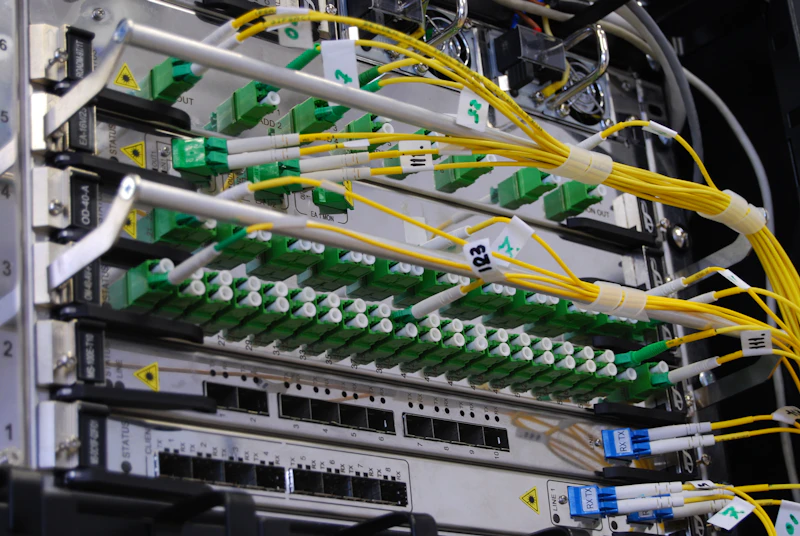
What Unmanaged Racks Actually Cost You
Obstructed access and incomplete cable records can complicate maintenance or a planned change. Record the affected connections and physical constraints so the responsible owner can approve the cleanup scope.
Live Connections Without a Released Work Plan
Agree the affected cables, retained services and approved interruption window before moving a connection. The customer network owner decides any disconnect or repatch.
Labels That Do Not Match the Records
Trace the agreed connections against available port records. Return missing or conflicting identifiers to the responsible owner rather than guess a destination.
Cable Routes Obstruct Equipment Access
Record blocked vents, access conflicts and routing constraints. The facility and design owners approve thermal or layout changes; cable dressing alone does not establish cooling capacity.
Unresolved Supports and Mounting Details
Check specified support hardware and equipment interfaces against the approved plan. Load, anchoring and electrical decisions remain with their qualified owners.
Growth Allowances Are Not Defined
Identify the approved spare rack space, cable routes and supporting power or cooling assumptions before adding equipment. An empty port or rack unit is not a complete capacity review.
Racks Built to Be Maintained, Not Avoided.
Start with the affected rack and cable inventory, available records and the released routing or support plan. SRS performs the approved physical package and records mismatches, inaccessible ends and other exceptions for the receiving owner.
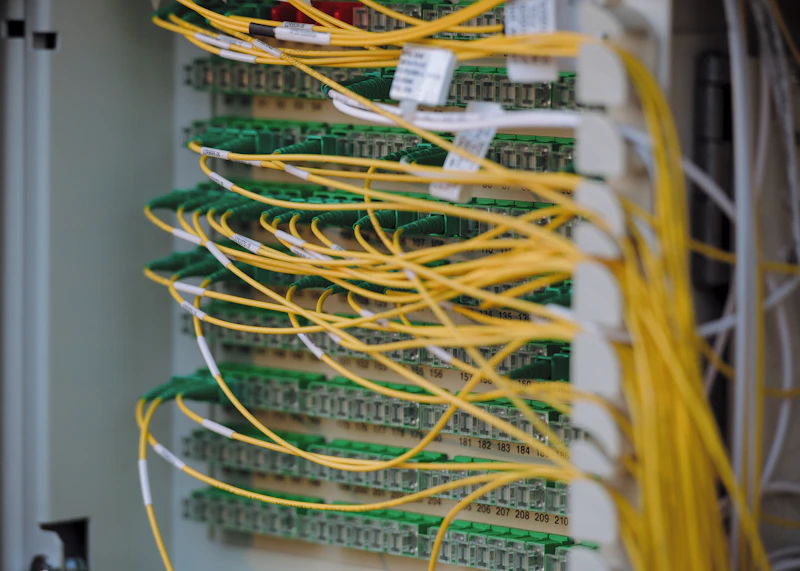
Everything From Hardware Install to Final Documentation
Rack and cable management done properly isn't just tidying - it's a structured process with the right hardware, the right materials, and a documented finish.
Cable Management Hardware
Install the specified horizontal or vertical managers, supports and pathways within the approved work area. Return fit or mounting conflicts for the responsible owner to resolve.
Cable Routing & Dressing
Dress affected connections using the approved route, bend and fastening instructions for the actual cable and equipment. Customer approval is required before a live disconnect, replacement or repatch.
Professional Labeling
Agree the cable, port, panel and rack identifiers and the labeling population before work. Reconcile installed labels with the approved records and list untraced or inaccessible ends as exceptions.
Documentation Deliverables
Provide the agreed inventory, cable/port records, applicable rack markups and approved photographs. Record incomplete tracing and deferred tasks so physical closeout does not imply every legacy connection was discovered.
Cable Chaos vs. SRS-Managed Racks
What changes when your racks are built and labeled correctly instead of accumulated over years with no consistent standard.
Projects That Call for Professional Rack & Cable Work
From remediation projects in rooms that haven't been touched in years to new buildouts that need to start right - SRS handles both ends of the spectrum.
Server Room Cleanup & Remediation
Trace and dress the approved connection population. Remove only cables released by the responsible owner after their service and endpoints have been verified.
New Rack Buildouts for Growing Offices
Install the approved cable-management arrangement for a new rack, with equipment, load, mounting and future-growth requirements supplied by the design and facility owners.
Data Center Hot/Cold Aisle Management
Follow the facility-approved cable routes and clearance requirements around containment. Cooling design and thermal acceptance remain with the responsible specialists.
Network Closet Remediation
Reconcile the agreed IDF or MDF labels and records before approved cleanup. An unused-looking cable stays in place until the responsible owner authorizes a specific removal.
Recorded Rack Work for Later Authorized Changes
Compare the approved work boundary, live-service controls and receiving records before selecting a cleanup scope. SRS documents affected connections and unresolved conditions so the customer can review the physical work and plan later authorized changes.
Explore More from SRS Networks
Ready to Fix the Rack Everyone's Been Avoiding?
Whether it's a single network closet or a full data center remediation, we'll scope the project, execute it cleanly, and hand you documentation that works.
Rack Cable Management Questions
What should we send for a rack cable cleanup estimate?
Provide the rack and room list, permitted photographs, available port records, approximate cable quantities and the requested routing, labeling or support work. Identify live services, access restrictions, approved windows and the person who may release a change. State whether the task includes tracing legacy cables or only dressing an already identified population; the estimate should carry unresolved conditions as explicit assumptions.
Can cables be traced before any live connection is changed?
Agree a non-disruptive tracing boundary and the available records with the customer network owner. Observation and label reconciliation can precede a change, but an inaccessible or ambiguous connection may require additional approved checks. Do not unplug a cable just to identify it. Record unresolved endpoints and obtain the required work window and authorization before any disconnect or repatch.
Who authorizes removal of an apparently unused cable?
The customer or responsible system owner must identify the cable and explicitly release its removal. Confirm endpoints, retained services and the approved change instruction; appearance alone does not establish that a cable is unused. Hold ambiguous links in place, record their identifiers or location and route the decision to the owner. Removal authorization does not automatically include equipment disposal or data handling.
What happens when records or labels do not match the rack?
Record the observed rack, device and port references and compare them with the issued schedule. Refer a mismatch to the named technical owner before relabeling a connection or changing its route. The owner approves the corrected identifier or additional tracing. Keep inaccessible ends, unresolved destinations and deferred work visible rather than issue a complete-looking record that implies every legacy path was verified.
What affects the cost of cable dressing and labeling?
Effort depends on rack access, connection quantities, tracing uncertainty, required managers and supports, label format, occupied work windows and the documentation boundary. Required lifts, escorts, handling restrictions and return visits can also change the scope. Separate equipment mounting, electrical work and design review from cable dressing; the proposal should name who approves additional tracing or a changed condition.
Which tests are required after a connection is changed?
The responsible technical owner defines the checks for the actual connection and change. Agree the cable or port population, method, limit and result record before work; a visual label check is not a cable certification or application test. Record failed, untested and deferred items. Customer or platform specialists perform service checks and authorize return to operation separately from physical dressing and labeling.
What records should we receive before accepting the work?
Agree affected cable and port identifiers, installed managers, applicable rack markups, permitted photographs and any specified field-check records. Reconcile that package with completed work and list missing labels, untraced ends and deferred changes with their owners. The receiving customer accepts the agreed physical boundary; closeout does not certify power, cooling capacity, software settings or future network availability.
How is another visit or a later move authorized?
Record the requested task against the current accepted cable and port baseline, including the affected services and permitted window. The named customer approver releases any disconnect, repatch, additional hardware or tracing and accepts its cost and schedule effect before dispatch. Carry forward unresolved conditions from the previous visit; an earlier cleanup approval does not authorize every later rack change.