
High-Density WiFi for Venues
Standard WiFi infrastructure isn't built for thousands of simultaneous connections. When a convention center fills up or a stadium hits capacity, the network needs to have been designed for that load from the start - not retrofitted afterward.
SRS Networks engineers high-density wireless from capacity planning through post-installation validation, with coverage and throughput checked against agreed venue requirements and unresolved gaps recorded for follow-up.
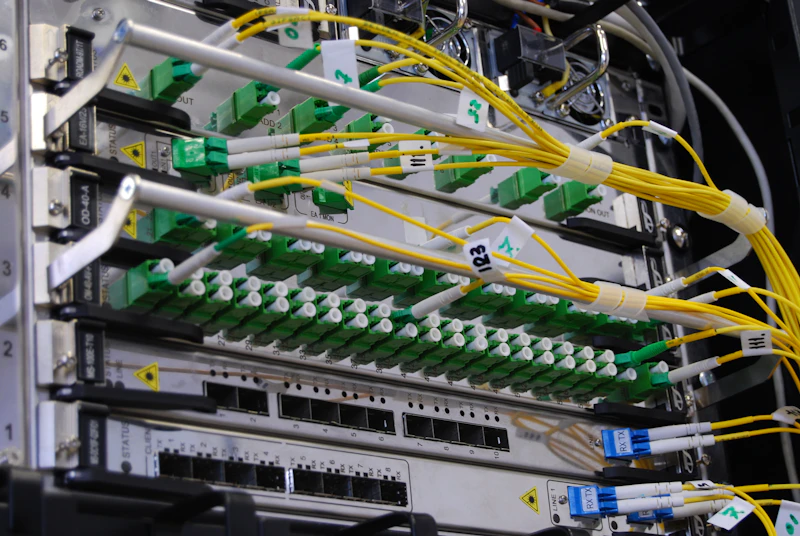
Most WiFi Networks Were Never Designed for Density
High-density environments expose every shortcut taken in the original wireless design. These aren't random failures - they're the predictable result of deploying hardware sized for coverage instead of client count.
Standard WiFi Collapses Under Density
Consumer and prosumer access points are rated for a handful of devices. Pack a convention hall with 2,000 attendees all reaching for their phones and your network doesn't slow down - it falls over completely.
Wrong AP-to-Client Ratio
Installers who count square footage instead of client density consistently underspec high-density environments. One AP covering 5,000 sq ft sounds fine until 400 people sit in that space simultaneously.
Co-Channel Interference
Too many APs on the same channel create interference that degrades device performance - the opposite of adding capacity. Channel planning and power settings help manage that interference, with the result checked on site.
No Load Balancing or Band Steering
Without active load balancing and band steering, clients pile onto 2.4 GHz and saturate a single AP while adjacent radios sit idle. Enterprise APs with proper configuration distribute load intelligently.
Guest and Staff Sharing Bandwidth
When attendees and venue staff share the same SSID and bandwidth pool, one group's usage degrades the other's. Network segmentation with QoS policies keeps operational traffic protected.
Capacity-First Design. Verified Under Load.
SRS Networks approaches high-density WiFi as a capacity engineering problem. Before a single AP ships, we model peak concurrent users, map the venue geometry, and calculate the channel plan. The result is a network that performs at full attendance - because it was designed for full attendance.
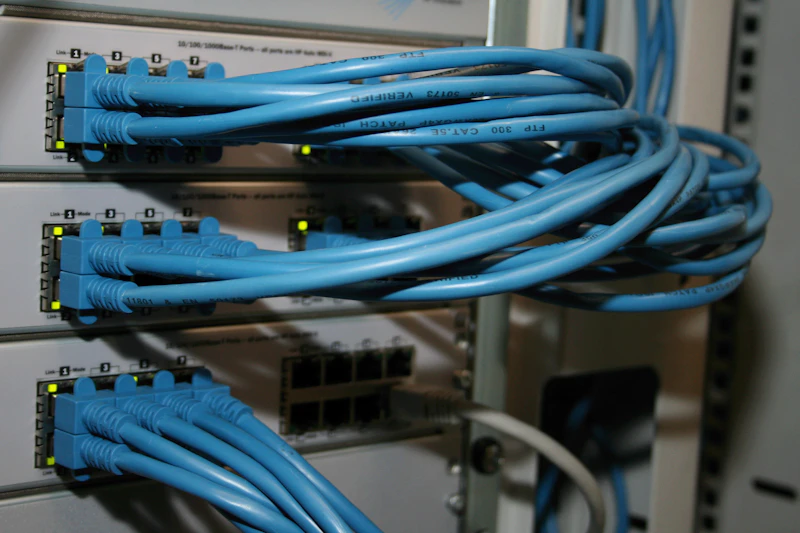
Every Phase of Your High-Density Deployment
From capacity modeling through post-installation load testing, SRS handles every technical decision required to make your venue WiFi perform at peak attendance.
Capacity Planning & RF Design
We start with your peak concurrent user count and venue geometry - not a square footage estimate. Every AP placement, channel assignment, and power level is calculated to handle real density.
AP Placement & Channel Engineering
High-density environments require tighter AP spacing with lower transmit power - counterintuitive to most installers. We deploy enterprise APs configured specifically for density, not for range.
Load Balancing & Band Steering
Enterprise controllers actively monitor client distribution across APs and radios, steering clients away from saturated access points and pushing dual-band devices to 5 GHz and 6 GHz where available.
Network Segmentation & QoS
Multiple SSIDs mapped to isolated VLANs keep guest, staff, and operational traffic separated. QoS policies protect critical operational traffic from being starved during high-attendance events.
Generic WiFi vs. SRS High-Density Design
The gap between a wireless network that was installed and one that was engineered for density shows up clearly when your venue fills up.
High-Density WiFi for Every High-Traffic Environment
SRS Networks designs and deploys high-density wireless for venues where reliable connectivity under peak load is a non-negotiable operational requirement.
Convention Centers
High-density wireless for trade show floors, breakout rooms, and pre-function spaces. Designed for the peak load of a fully occupied event, not the average of an empty building.
Stadiums & Arenas
Wireless capacity planning for seating bowls, concourses, and premium areas. AP placement and supporting infrastructure are scoped to expected attendance, client mix, and agreed application requirements, then checked under representative load.
Corporate Conference Centers
All-hands meetings, investor days, and multi-track training events that pack hundreds of employees into a space. Reliable connectivity for live streaming, polling apps, and collaboration platforms.
University Lecture Halls
Lecture halls with 500 students all connecting simultaneously for digital coursework and streaming. High-density design keeps latency low and throughput consistent throughout the session.
Venue WiFi That Holds Up - When It Has to.
SRS Networks doesn't estimate capacity - we model it. Every high-density deployment is engineered from the client count up, validated under simulated load, and documented so you know exactly what your network can handle before anyone arrives.
Explore More from SRS Networks
Your Venue Needs WiFi Built for the Crowd
High-density WiFi failures aren't bad luck - they're bad design. We'll model your peak concurrent users, engineer the channel plan, and validate performance before your event so you're not troubleshooting on game day.