
Distributed Antenna System Installation
Distributed antenna system installation connects the equipment specified for a building’s cellular coverage plan. Start with an RF review, intended carriers and an agreed acceptance scope.
SRS Networks designs, installs, and commissions distributed antenna systems for commercial buildings, hospitals, campuses and new construction under a defined project scope. Cellular coverage and public-safety radio work require separate acceptance plans.
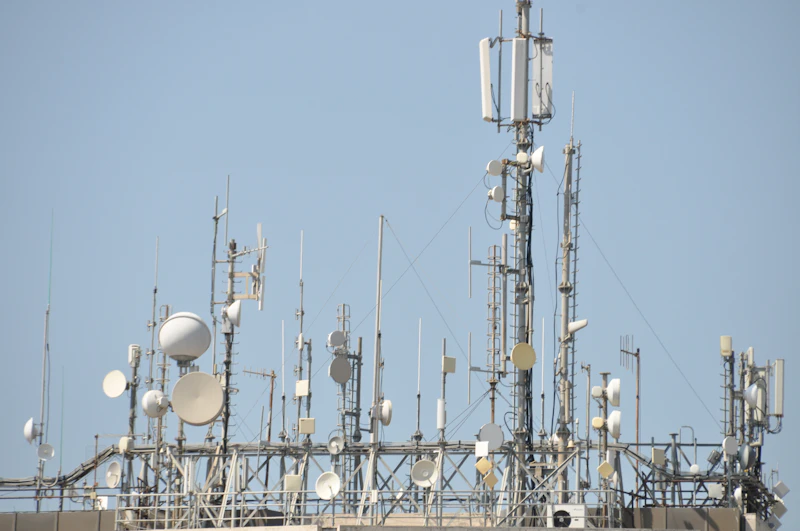
SRS Networks is a nationwide infrastructure deployment partner headquartered in South San Francisco, California, serving commercial sites across the 48 contiguous states, Alaska, and Hawaii since 1996. DAS installation follows an agreed RF design, carrier coordination plan and coverage acceptance scope.
Plan the scope
Compare DAS installers against an agreed coverage plan
Distributed antenna system installation places and connects the equipment specified for an in-building cellular coverage design. A useful scope identifies the coverage areas, intended carriers, system owner and acceptance process before cabling and antennas are installed.
SRS Networks company-wide experience
- Founded
- 1996
- Deployments
- 900+
- Sites served
- 10,000+
- Offices
- 6
What to request from DAS installation companies
Ask who surveys the building, who owns the design, who coordinates carriers and who signs the final coverage report. Compare experience and credentials for the actual system proposed rather than accepting a broad low-voltage claim.
Keep public-safety work separately defined
A cellular coverage project should not silently become an emergency-radio compliance project. Identify each system's purpose and qualified delivery team in the scope, and obtain the applicable approvals before committing to a completion date.
Bring these details to the estimate
- Floor plans, coverage concerns and intended carriers
- RF survey and approved equipment/design responsibility
- Antenna, backbone, power and access requirements
- Carrier coordination, commissioning and acceptance owners
What changes the price
Building geometry, signal distribution design, carrier coordination, cable routes, equipment locations and the required commissioning work affect price. Separate survey, design, installation and acceptance so bidders are pricing the same responsibility.
Cellular DAS and public-safety radio coverage are separate scopes. Carrier permissions, equipment eligibility and any jurisdictional requirements need confirmation by the responsible specialists before installation; no blanket approval or coverage guarantee is implied.
Make acceptance part of the work order
- Design ownership
- Identify the approved design, equipment schedule and responsible RF specialist.
- Installation evidence
- Record antenna locations, cable identifiers and the specified test results.
- Coverage acceptance
- Have the responsible specialist verify the agreed test areas and document exceptions.
Compare the evidence behind each proposal
Use these checks with the downloadable scorecard. Record the bidder's evidence and any exclusions before comparing price.
| Check | Evidence to request |
|---|---|
| RF responsibility | A named survey/design and commissioning owner. |
| Carrier readiness | Written status of required carrier coordination. |
| Acceptance | A defined coverage test plan with correction and retest ownership. |
Opens an email with the scope checklist. Prefer a form? Send a project inquiry.
A cellular network survey defines the DAS coverage question
A cellular network survey records mobile-network coverage in the building for the intended carriers and service areas. The responsible RF specialist defines the measurements, test method and acceptance criteria. Use that baseline to decide whether a DAS project is appropriate and to evaluate the installed system.
Before dispatch, identify the carrier scope, current coverage concerns, floor plans, access windows, survey/design owner and commissioning contact. SRS field installation follows the approved scope; survey support and specialist responsibilities are agreed in the proposal. Public-safety radio requirements remain a separate scope.
For access-point placement, inventory scanners or guest WiFi, use the commercial WiFi site survey. A WiFi heat map does not establish cellular coverage.
Request cellular survey and installation scopingQuestions to settle before deployment
What should DAS installation companies include in a proposal?
Identify the survey, design, equipment, installation, carrier coordination and acceptance responsibilities. Include coverage areas, exclusions, test deliverables and the process for correcting a failed acceptance result.
Are cellular DAS and public-safety radio systems the same scope?
They serve different purposes and need separate requirements and acceptance plans. Do not treat a cellular installation proposal as proof that public-safety coverage obligations have been met.
Who should own the DAS design?
Name the responsible RF designer or system provider in the work order. The installation team should work from the approved design and document proposed changes before making them.
What determines the cost of DAS installation?
Building layout, cable routes, access, equipment locations, carrier coordination and commissioning requirements affect effort. Separate survey and design costs from installation and final acceptance.
Can a WiFi survey replace the cellular coverage review?
The project should use a survey appropriate to the system and coverage objective being evaluated. Confirm the required measurements with the responsible RF specialist rather than assuming a WiFi assessment settles cellular coverage.
What information is needed before dispatching installers?
Provide the approved floor plans and design, equipment list, access permissions, power/pathway readiness and contacts for the carrier and commissioning team.
Is a consumer signal booster always prohibited in a commercial building?
No blanket prohibition should be assumed. Equipment type, intended use and applicable carrier and regulatory requirements need review before choosing a system. Confirm suitability with the responsible specialist.
What should be delivered at DAS handover?
Request installed equipment and cable records, marked antenna locations, the specified test results, the coverage acceptance report and a documented list of remaining exceptions and owners.
What should a cellular network survey establish before DAS installation?
A cellular network survey should document the intended carriers and coverage areas, the existing signal conditions and the measurements the responsible RF specialist requires. Record the floor plan, test method, equipment and acceptance criteria so the proposed DAS work can be assessed against the same baseline. WiFi heat maps answer a different network question and do not establish cellular coverage or public-safety compliance.
Why Large Buildings Have Cellular Dead Zones
Modern building materials actively block cellular signal. The larger and more complex the structure, the worse the coverage - and the harder it is to fix without engineered infrastructure.
Dead Zones Throughout the Building
Building materials and layout can affect indoor cellular coverage. Survey the areas of concern and check carrier conditions before selecting an in-building system.
Separate Public-Safety Radio Requirements
Confirm any public-safety radio requirements with the responsible specialist and authority having jurisdiction. This is a separate design and acceptance scope from commercial cellular coverage.
No Coverage for Multi-Carrier Environments
Your occupants aren't all on the same carrier. A solution that only boosts one carrier leaves everyone else on the same dropped calls and slow data they started with.
IoT and Building Systems Relying on Cellular
HVAC controls, access systems, elevator monitors, and emergency panels increasingly depend on cellular connectivity. Signal dead zones disrupt more than phone calls.
Equipment Selection Before Survey
Equipment suitability depends on the coverage objective, system type and applicable carrier requirements. Compare an approved design with the measured building conditions before choosing equipment.
Engineered DAS Infrastructure Built for Your Building.
A distributed antenna system replicates carrier signal inside your building by distributing it through a network of antennas connected to a central headend. Scope the RF design, cabling, installation, carrier coordination and acceptance as assigned responsibilities. SRS coordinates the contracted field work; specialist design and commissioning owners are named before dispatch.

DAS Project Responsibilities
Use the proposal to assign each stage from the initial RF survey through installation and acceptance. Confirm who performs the specialist work and which approvals precede each field visit.
RF Survey & Design
We start with a professional RF survey of your building - floor by floor, room by room - mapping existing signal levels and identifying exactly where coverage falls short.
System Design & Engineering
The responsible RF designer selects the system architecture and documents intended carriers, equipment, pathways and coverage criteria. SRS scopes field execution against that approved design.
Installation & Commissioning
The installation team runs the specified backbone, mounts antennas and racks the equipment. The responsible specialist commissions the system against the agreed acceptance plan.
Testing, Carrier Coordination & Handoff
The work order assigns carrier coordination and specialist testing. Handover includes the installed records, agreed coverage results and unresolved exceptions; acceptance is documented against the approved scope.
Settle These Decisions Before Commissioning
Use the survey and proposal to resolve each open item. The agreed project scope sets the design, field work and acceptance record.
Facilities That Require DAS
SRS Networks has designed and installed DAS infrastructure in facilities where reliable in-building cellular coverage is non-negotiable - operationally and legally.
Hospitals & Medical Facilities
Identify the communication tasks, intended carriers and approved test areas with facility IT. Medical-device connectivity and public-safety radio requirements need their own responsible owners and acceptance criteria.
Convention Centers & Stadiums
Specify expected occupancy, carrier scope and peak-demand conditions. The RF designer should select capacity and architecture against those requirements, with acceptance tests agreed before installation.
High-Rise Commercial Buildings
Survey the intended floors and areas, including parking structures or stairwells where included. Record measured gaps and carrier conditions instead of assuming every floor needs the same design.
New Construction Coordination
Coordinate pathways, equipment space, power and access with the construction schedule. Assign commercial cellular and any required public-safety system to their respective design and acceptance owners.
DAS Is Not a Commodity. Experience Matters.
In-building cellular infrastructure requires RF engineering expertise and defined responsibilities. Confirm the RF designer, carrier coordination owner and acceptance team before dispatch. Any public-safety design or inspection has its own scope.
Explore More from SRS Networks
Ready to Eliminate Dead Zones in Your Building?
Whether you're dealing with dropped calls on the third floor, failing a public safety radio inspection, or planning DAS for a new construction project, SRS Networks starts with an RF survey - so the design is based on your building, not a template.